The International Monetary Fund has warned that a further escalation of the war in Iran could trigger a global recession, with the UK set to suffer the sharpest growth downgrade among G7 nations. In its half-yearly World Economic Outlook, the IMF cut its growth forecasts for 2026, citing the steadily rising economic damage from the Middle East conflict.
The UK is expected to see the largest reduction in growth projections, with a downgrade of 0.5 percentage points to 0.8% for this year, while inflation could climb to almost 4% – double the government's 2% target. The IMF said the UK economy is particularly exposed to soaring energy prices and entered the crisis in a weak position following sluggish growth at the end of 2025.
The IMF outlined three possible scenarios for the war. In a central 'reference forecast', assuming disruption fades by mid-2026, global growth falls from 3.4% last year to 3.1% in 2026. Under an 'adverse scenario' with oil prices near $100 a barrel this year, growth would drop to 2.5% and inflation to 5.4%. A 'severe scenario' with prolonged conflict and oil above $110 into 2027 could push global growth to about 2%, widely seen as equivalent to a recession.
UK Chancellor Rachel Reeves blamed President Donald Trump for the war's impact, saying: 'To start a conflict without being clear what the objectives are and not being clear about how you are going to get out of it, I do think that is a folly.' She added that the war would come at a cost to the UK, which the government must respond to.
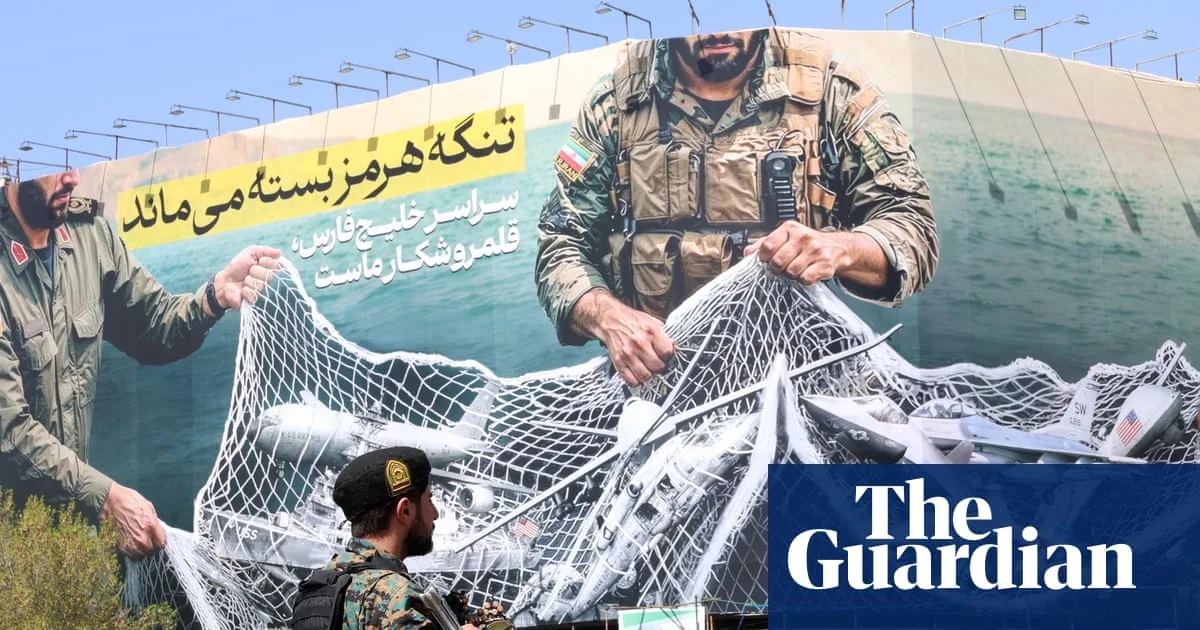
Oil prices have been volatile, jumping above $100 a barrel after US-Iran talks stalled and a US blockade of the Strait of Hormuz began, before dropping to around $95 on hopes of further peace talks. The IMF's chief economist warned that each day of disruption pushes the world closer to the adverse scenario.