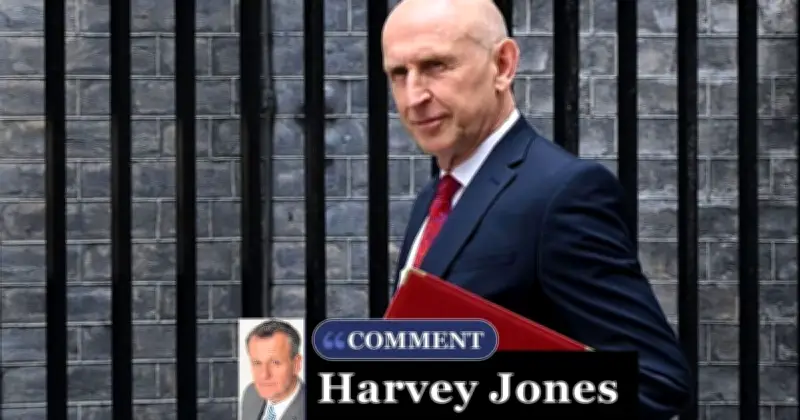
Chancellor John Healey is repeating the mistakes of his predecessor Rachel Reeves, risking billions in economic damage as investor confidence wanes and tax speculation spirals.
Healey faces mounting pressure from Labour backbenchers to increase taxes and spending, but critics warn that caving in could lead to serious trouble. The autumn Budget is approaching, and Healey is being urged to learn from Reeves' missteps, which saw months of tax speculation batter confidence and drive investors away.
Record Debt and Borrowing Plans
Healey is reportedly planning a new £9 billion-a-year borrowing spree, justified by fiddling fiscal rules. This comes as UK national debt hit £3 trillion for the first time. Instead of curbing spending, Labour is pushing for new taxes on various sectors, including a wealth tax, higher taxes on oil and gas giants like BP and Shell (already facing a 78% marginal rate), and increased levies on banks and supermarkets.
The left-wing push for higher taxes is relentless, with figures like Andy Burnham calling for a land tax, a 50% top income tax rate, and a 10% inheritance tax surcharge. Neil Kinnock has also emerged to advocate for higher capital gains tax.
Investor Flight and Market Impact
The damage is already visible. Last month, investors pulled £1.6 billion from UK stock market funds, the largest monthly outflow since the panic following Reeves' autumn Budget, which added £26 billion in tax rises on top of the previous £40 billion. BP has retreated from the North Sea due to punitive taxes, and speculation grows that it might move its listing to New York, with Shell, AstraZeneca, and HSBC also considering their options.
London's biggest companies are increasingly looking to the US, where valuations are higher and capital is easier to access. Labour's tax policies are giving them more reasons to leave, undermining Britain's competitiveness.
Economic Consequences
Driving away profitable companies and successful people will not make Britain richer. The top 1% of taxpayers contribute 30% of all income tax receipts; if they leave, HMRC collects less, and everyone else pays more. Labour MPs are threatening Healey over even hinting at benefit cuts, and he is urged to reverse Reeves' £25 billion 'jobs tax' that has worsened youth unemployment.
Britain is already losing billions, and unless Healey acts decisively, the losses will grow. The government must focus on making Britain a competitive place to do business, not just rinsing the rich.