

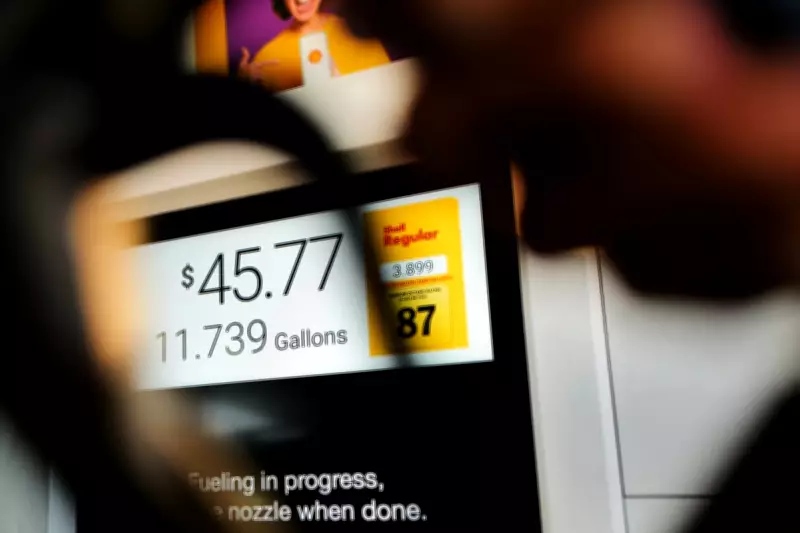
Georgia has taken a pioneering step by becoming the first state in the United States to suspend fuel taxes, a move prompted by soaring pump prices following the outbreak of war in the Middle East. Republican Governor Brian Kemp signed legislation on Friday, enacting a 60-day suspension of the state's 33-cents-per-gallon tax on gasoline and 37-cents-per-gallon tax on diesel.
Immediate Relief for Motorists
Motorists in Georgia are expected to begin seeing relief in the coming days as price reductions gradually filter through from wholesalers to gas stations. Officials estimate that the suspension will cost the state between $360 million and $400 million in forgone revenue, translating to savings of approximately $5 to $6 per tank for a typical passenger vehicle.
Governor Kemp framed the decision as part of a broader effort to return taxpayer money to hardworking Georgians. "This isn't an issue that we just discovered," Kemp stated. "It's one we've been taking action on for years, in a strategic and carefully planned way, to help hardworking Georgians."

Budgetary Challenges and Political Context
The fuel tax suspension is part of a larger package of tax relief measures, which also includes state income tax rebates ranging from $250 to $500 per household for individuals who filed Georgia tax returns in both 2024 and 2025. These rebates, totaling $1.2 billion, will be drawn from state savings.
However, the move comes at a time when Georgia is tapping into its declining surplus. The taxes normally fund road and bridge projects, and the state plans to use accumulated surplus funds to cover the temporary loss for infrastructure maintenance.
Election Year Dynamics
This financial relief is being rolled out during a critical election year, with Republicans and Democrats fiercely contesting control of swing-state Georgia. Since 2021, Republican-led initiatives have provided over $9 billion in givebacks, including income and property tax rebates, as well as multiple gas tax holidays.
Other States Show Reluctance
Unlike the widespread adoption of similar measures during the 2022 gas price surge, driven in part by the war in Ukraine, other states are not rushing to follow Georgia's lead. This hesitation stems largely from tighter state budgets, as many are no longer flush with the cash they had immediately following the pandemic, when federal aid and tax revenues surged.
The national average gas price has climbed sharply, rising from $2.93 per gallon on February 20 to $3.91 per gallon on Friday, according to motorist group AAA. Despite this increase, several states are resisting calls for tax suspensions.
State-by-State Responses
In Florida, Republican Governor Ron DeSantis explicitly ruled out suspending the state's 23.5-cent gas tax, arguing there is no "simple fix" and emphasizing the need for stable international energy markets. "My answer is just get the cost down internationally, and that means having stable energy markets, making sure we're doing everything to get our stuff to market," DeSantis said during a news conference in Bradenton.
In Maryland, Republicans are advocating for a 30-day gas tax holiday, but Democratic Governor Wes Moore's administration is opposing the measure. Ammar Moussa, a spokesperson for Governor Moore, criticized the proposal, stating, "Marylanders need real relief, not a 30-day gas tax suspension that would blow a $100 million hole in our transportation budget while we're working to close Maryland's budget shortfall." Moussa added that if Republicans are serious about lowering costs, they should urge former President Donald Trump to end the "missionless war" rather than burden Maryland taxpayers.
In Connecticut, Democratic Governor Ned Lamont proposed a gas tax holiday earlier this month, but the idea has not progressed further.
Political Divisions and Broader Implications
The debate over fuel tax suspensions highlights deep political divisions. In Georgia, Republican officials have avoided direct mentions of President Trump or the war, instead positioning the tax relief as part of their affordability agenda to counter Democratic efforts to capitalize on public discontent over rising prices.

This standoff underscores the complex interplay between economic pressures, state fiscal health, and election-year politics, suggesting that Georgia's move may remain an isolated response rather than sparking a nationwide trend.





