Chancellor Rachel Reeves has updated MPs on the government's contingency planning to cushion the economic impact of the Iran war, but stopped short of announcing specific immediate support. Speculation has grown that the government may need to intervene as the effective closure of the Strait of Hormuz has sent oil and gas prices soaring.
Reeves indicated she will not repeat the across-the-board subsidies introduced by Liz Truss in 2022, which cost the Treasury about £40bn and disproportionately benefited higher earners. Instead, she said officials are working with the Department for Work and Pensions and local authorities to assemble data for more targeted support for poorer households, at a lower cost to taxpayers.
Energy bills are set to fall from April due to measures in Reeves's autumn budget, but are forecast to rise to nearly £2,000 in July when the next quarterly price cap takes effect. Reeves hinted that any support may not come into effect until the autumn, as most household energy spending occurs over winter.
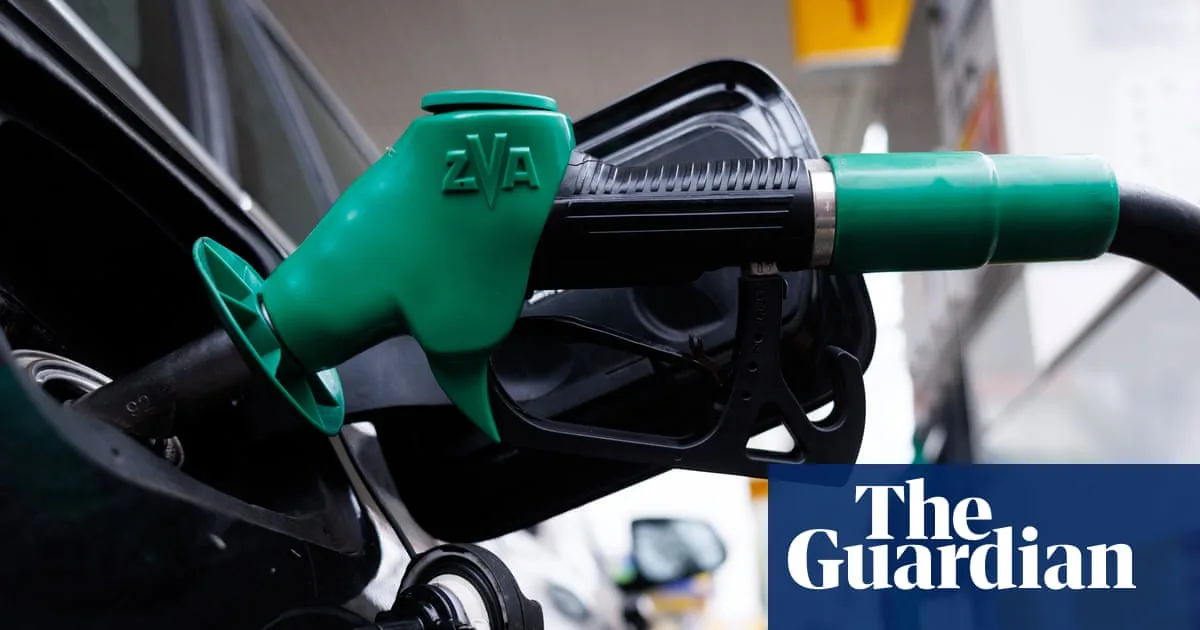
Opposition parties are calling for the cancellation of a planned 1p per litre increase in fuel duty due in September, with further 2p rises in December and March. These increases were intended to reverse a 5p cut implemented by the Tories, but now appear ill-timed given the global backdrop. Oil remains above $100 a barrel, and petrol costs UK motorists 13.5p per litre more than before hostilities, according to the RAC. Reeves promised an update on fuel pricing within the next month.
Reeves also said she will ensure the Competition and Markets Authority has the powers to prevent profiteering, and will meet supermarket and bank bosses to discuss consumer support. Additionally, she suggested a hoped-for sanitary and phytosanitary deal with the EU could cut food prices, and has asked officials to examine reducing tariffs on some agrifood imports.