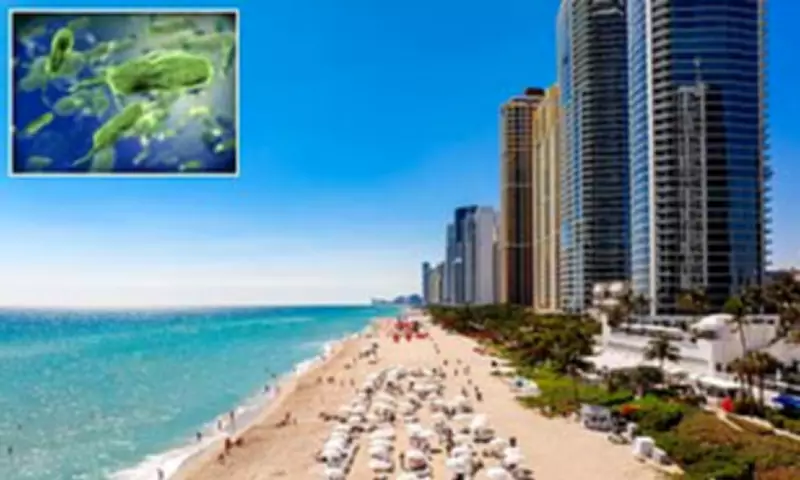
At least five people have been infected this year with a deadly flesh-eating bacteria that is often contracted from swimming at the beach, even as summer has barely begun. The patients were located in five separate Florida counties and diagnosed with Vibrio vulnificus, a pathogen that thrives in warm saltwater and can infect open wounds of beachgoers, leading to life-threatening infections or amputations.
Infections Across Tourist Hotspots
Each individual was infected in a different county, but four of the patients were in major vacation destinations when they tested positive, including Miami, Tampa, Palm Beach and Fort Myers. No further details on the patients were revealed, including their ages and whether any were hospitalized, died or suffered amputations from the infection.
Reported by the Florida Department of Health, these infections mark the first recorded in the US so far this year. For Florida, this represents two more cases than registered at the same time last year.

Understanding Vibrio vulnificus
Vibrio vulnificus thrives in warm surface ocean water at temperatures above 68°F (20°C). It can also infest seafood such as oysters and then infect those who consume them. From May to October, warm weather causes a surge in the bacteria's population, raising the risk of infection.
Although the disease remains rare, it is often deadly, and cases are rising. CDC officials state that about 150 to 200 infections are recorded every year, but approximately one in five leads to a fatality. Nationwide, at least 72 infections were recorded across 12 states last year, with most patients in the South.
Warning Signs and Risks
Warning signs of an infection include skin redness or a rash that quickly becomes swollen or painful, as well as fluid-filled blisters, fever, pain and an altered mental state. In severe cases, the bacteria can turn flesh black, potentially leading to an amputation, or enter the blood and cause the life-threatening complication sepsis. Older adults, those with a compromised immune system and those who consume seafood are most at risk.
Florida revealed the cases on the surveillance tool area of its website, but there has been no official announcement. It was not clear whether the cases were linked.
Previous Cases Highlight Danger
In April this year, the New England Journal of Medicine reported the case of a 74-year-old man from Florida who was infected with the bacteria. The patient had suffered a painful laceration on his right leg after jumping into water on the Gulf Coast of Florida and then became infected. He was in pain for two days before his skin changed color and his leg began to swell. On the third day, he went to the Emergency Department, where doctors confirmed a Vibrio infection and rushed him through for surgery. His right leg had to be amputated above the knee.
In a previous case recorded in Florida last year, a 49-year-old woman nearly lost her life after she caught Vibrio while swimming in the sea off Pensacola Beach in July with her daughter. Genevieve Gallagher felt fine after the swim, but three days later, her left leg began to swell and she developed agonizing blisters on its calf. She was rushed to the ED where doctors diagnosed her with Vibrio, septic shock and warned that she was going into organ failure. Gallagher told the Pensacola News Journal: 'It feels like somebody took gasoline, poured it on my leg, and lit my leg on fire. That's what it feels like.' Doctors treated her by removing most of the muscle on her left leg up to the knee.
Climate Factors
Florida had one of its warmest Mays on record this year, with previous mercury readings being smashed by the warmer weather. In Fort Myers, the average temperature in May was 82.2°F (nearly 28°C), its second-hottest on record for the last 128 years. Experts have warned that the warmer temperatures could lead to a spike in Vibrio infections, because they will lead to the oceans warming earlier and remaining warmer for longer, raising the window in which someone could be infected. It could also lead to warmer temperatures in areas where oysters are raised, raising the risk that more may be contaminated.