FIFA is under fire from football fans after World Cup ticket prices have skyrocketed, contradicting earlier promises of affordability. The cheapest seats for England fans at the 2026 tournament now cost $220 (£164), a tenfold increase from the $21 (£15.69) projected in the hosts' 2018 bid book. The dynamic pricing model, introduced for the first time, allows FIFA to adjust costs based on demand, leading to what fan groups call a 'monumental betrayal'.
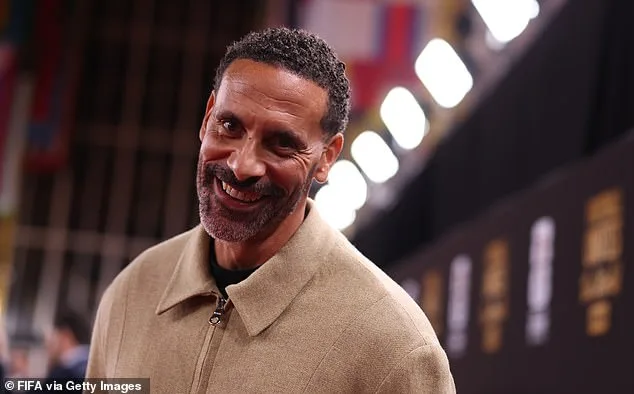
Former Manchester United star Rio Ferdinand, who helped FIFA with the draw, has faced criticism after claiming the organisation was working towards making tickets 'accessible'. Fans have pointed out that the cheapest final ticket available to England supporters costs $4,185 (£3,127), far from the $128 (£95.66) originally estimated. Ferdinand, who grew up on a council estate, insisted he is a 'man of the people' but is not involved in setting prices.
Football Supporters Europe (FSE) has called on FIFA to halt ticket sales, describing the prices as 'extortionate'. The group said: 'This is a monumental betrayal of the tradition of the World Cup, ignoring the contribution of supporters to the spectacle it is.' For England fans, watching all eight possible games would cost at least $6,822 (£5,100), five times more than the 2022 Qatar World Cup.
The cheapest category four tickets are reserved for host nation residents, forcing travelling fans into higher price brackets. Fears of empty seats have grown as many supporters are priced out. FIFA has not commented on the backlash, but the controversy continues to escalate as the tournament approaches.