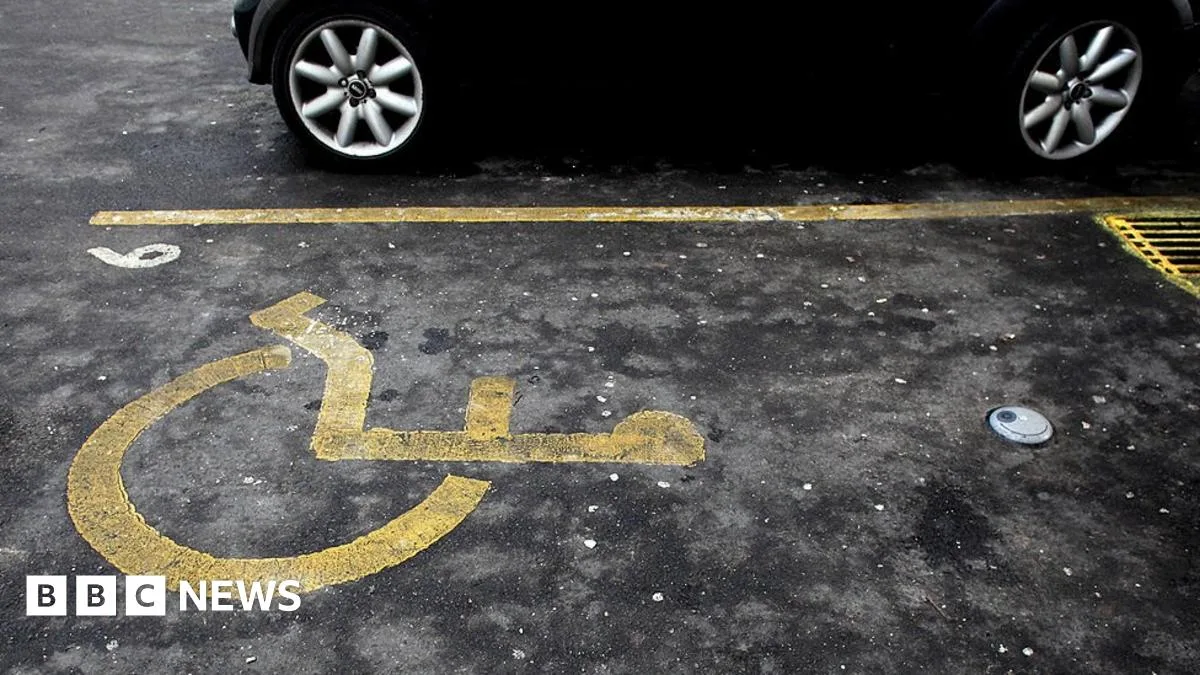
More than 50,000 disabled people have had specially adapted vehicles taken away since changes to disability benefits in 2013, according to the Motability charity. The scheme allows recipients to lease a car, scooter or powered wheelchair using part of their benefit, but many have lost access after being denied Personal Independence Payment (PIP).
PIP replaced Disability Living Allowance (DLA) five years ago, with stricter criteria for the higher mobility component needed for a Motability vehicle. Claimants must now show they cannot walk unaided for 20 metres, down from 50 metres under DLA. The charity Muscular Dystrophy UK says 900 cars are now being removed weekly as more people are rejected.
Campaigners, including Conservative MP Peter Bone, are calling for changes so vehicles are not taken before appeals are heard. Bone said: 'You need it for mobility and maybe for work, but because you lose your PIP award you lose the car. You appeal and the tribunal awards it back, but you've already lost the car and maybe your job.' Labour MP Angela Eagle added that some people are left housebound.
Sam Adams, 41, from Chesterfield, had her Motability car taken in June after a PIP reassessment. She has multiple sclerosis and said the assessor did not see her walk, only 'tickled my hand with a feather.' She later won her appeal and expects a new vehicle by April. In the meantime, she relies on a car bought by her brother. 'Without a car I honestly could have got depression,' she said.
Figures from the Department for Work and Pensions show over 160,000 original PIP rejections have been overturned at mandatory reconsideration or appeal. According to Ministry of Justice data, 65% of decisions are overturned at tribunal in the claimant's favour. Nic Bungay of Muscular Dystrophy UK said: 'The fact that two-thirds of people who contest their PIP award win shows the system isn't working and needs reform.'
A DWP spokeswoman said only 3% of PIP decisions have been overturned on appeal, and those removed from Motability are eligible for £2,000 support. She added: 'We constantly review our processes to make sure they are working.'