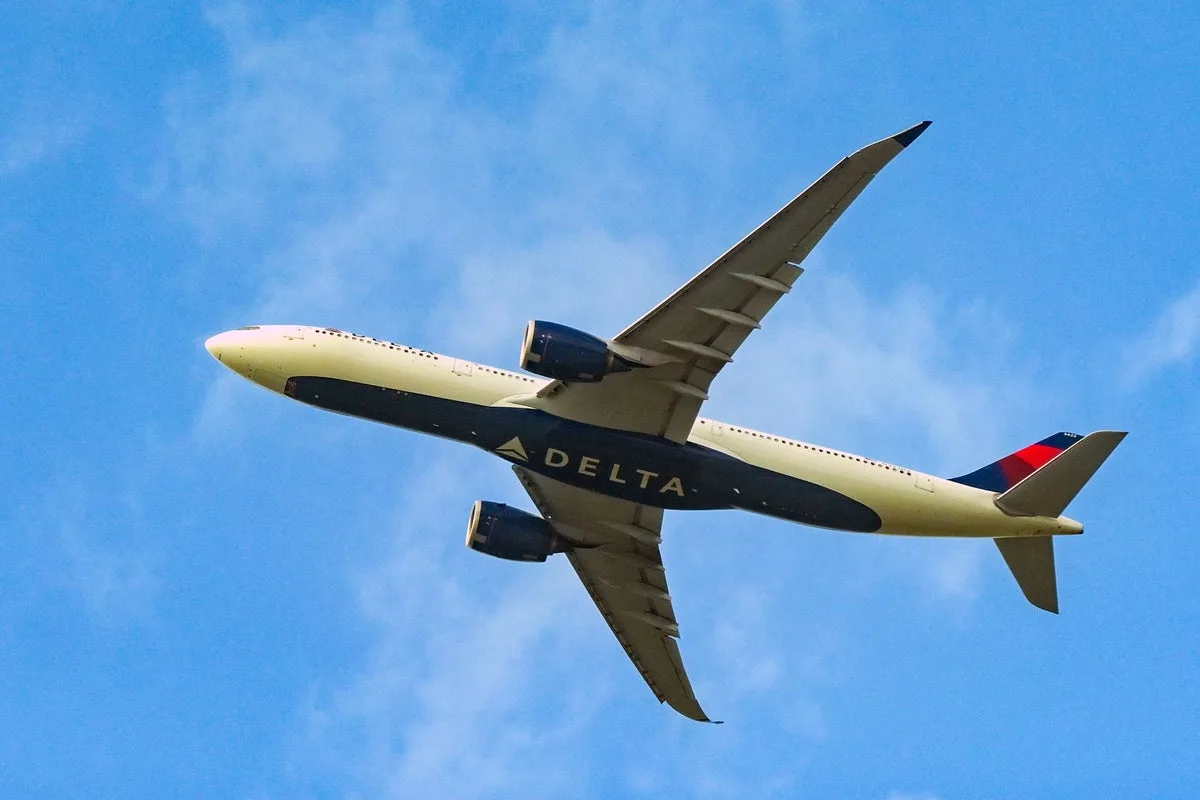
During a three-day stretch in early May, Delta Air Lines cancelled nearly 500 flights, many within just hours of boarding. Meanwhile, competitors like American Airlines and United cancelled fewer than 100 flights. These incidents have led industry analysts to conclude that something has gone seriously wrong at Delta, once renowned as America's top airline for on-time performance.
Rising Cancellation Rates
Delta's domestic cancellation rate has remained well above the industry average throughout the year, according to data from Cirium, an airline industry consultancy. An internal memo from Delta's senior vice president of flight operations, Ryan Gumm, dated April 24, revealed that pilot scheduling issues were driving a more than tenfold increase in flight cancellations, accounting for nearly 40 percent of mainline flight cancellations.
Plans for Improvement
The Wall Street Journal reports that Delta plans to address these troubles ahead of the busy summer months by accelerating pilot hiring, boosting crew-scheduler staffing by over 15 percent, and refining its pilot-scheduling processes. Delta's chief operating officer, Dan Janki, wrote in a later memo to employees: 'Our challenges, while not systemic, highlight where we must sharpen our operational edge.' Janki acknowledged that pilot availability was Delta's biggest obstacle currently and outlined the airline's plan to improve reliability.
Analyst Insights
Industry analyst Gary Leff, on his blog View from the Wing, noted: 'Weather may start the disruption, but Delta is cancelling too many flights because it lacks enough pilot buffer, crew scheduling capacity, maintenance slack, and aircraft readiness to bring things back online.' Leff added that a combination of pilot seniority rules, dependence on overtime, thin spare staffing, and scheduler turnover means Delta still has to cancel flights even when pilots are available. An underlying issue is that the airline assigns pilots very close to flight departure times, exacerbating these problems.
Operational Overhaul
The airline is responding by hiring pilots, improving crew scheduling tools, trimming some flights, and giving maintenance teams more overnight time. Leff commented: 'That is Delta rebuilding operational slack after letting the system run too tight, realizing they've cut costs too far.' Beyond the pilot problem, Delta also cites fleet readiness as an issue, which they plan to address with more maintenance staffing, better parts availability, and tailored maintenance programs for both narrowbody and widebody fleets.
Broader Industry Context
Delta is not the only US carrier dealing with similar issues, but it has fallen further from grace than others. A recent YouGov poll found Delta still held the top position for both quality and customer satisfaction among US carriers, while Cirium had named Delta the most on-time airline in North America for five consecutive years. However, both JetBlue and American Airlines have had higher cancellation rates this year.
Historical Performance
Delta famously went for long stretches without cancelling a single flight, allowing the company to charge premium prices. The airline's longest period without a mainline cancellation was 243 days, a record set in 2018, beating its 2017 record of 242 days. But that was nearly a decade ago, and after the massive disruptions of the pandemic and the CrowdStrike outage of 2024, Delta has struggled.
Root Causes
According to the Wall Street Journal, the airline has blamed some problems on its overreliance on CrowdStrike, while outside analysts point to Delta's own technology. Delta Chief Executive Ed Bastian has said some recent difficulties stem from changes to how the airline routes and schedules pilots, as outlined in its pilot contract. He stated last month that the airline was giving the issue its full attention. Meanwhile, the pilots' union says pilots are working more overtime than ever and that the airline is chronically short on staff after slowing hiring in 2025.
Customer Response
Delta loyalist customers have already started responding by booking earlier departures that are less vulnerable to the cascading delays that tend to build throughout the afternoon and evening.