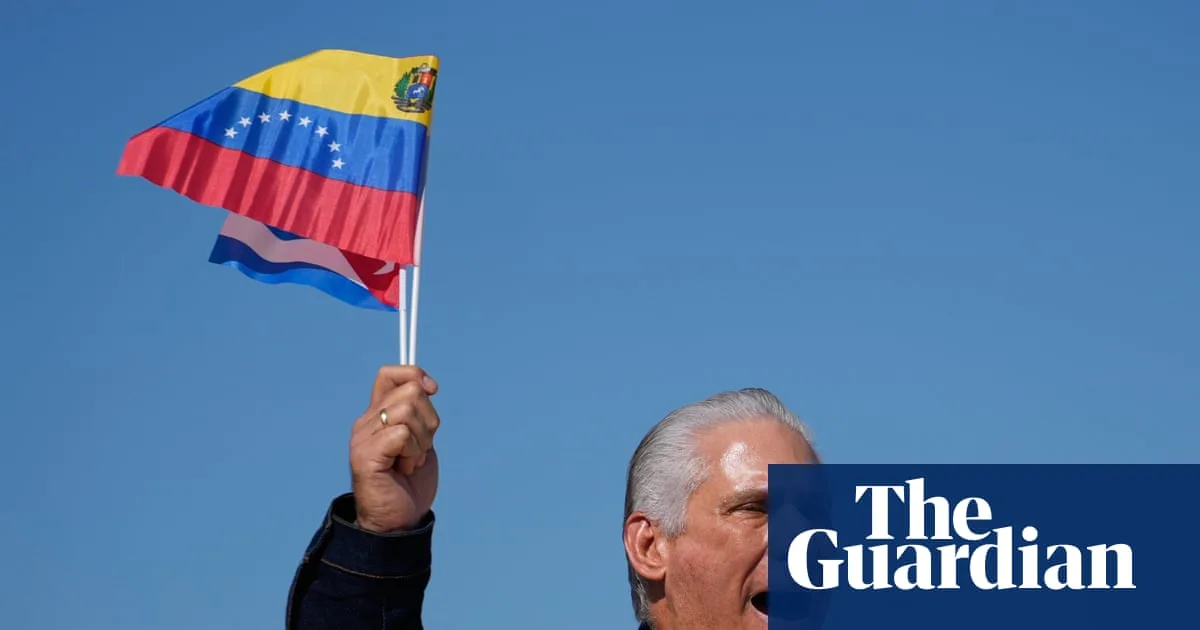
Cuban President Demands Swift Economic Overhaul Amid Oil Shortages
Cuban President Miguel Díaz-Canel has declared that his government must "immediately" implement urgent transformations to the island's economic and social model. This call to action comes as oil reserves in the Caribbean nation continue to dwindle, exacerbating an ongoing energy crisis.
Council of Ministers Meeting Highlights Pressures
The president's remarks were made during a meeting of the Council of Ministers, where he emphasized the need for rapid changes. "We must focus, immediately, on implementing the urgent, most necessary transformations that must be made to the economic and social model," he stated, as reported by state-owned media.
Cuba is currently facing severe constraints due to a recent oil blockade and a halt in shipments from Venezuela. This disruption followed a U.S. attack on Venezuela in January, further straining the island's resources.
Key Areas for Transformation
Díaz-Canel outlined several critical areas for reform, including:
- Enhancing business and municipal autonomy
- Resizing the state apparatus, government, and institutions
- Promoting foreign direct investment
- Fostering economic partnerships between state and non-state sectors
- Encouraging investments from Cubans residing abroad
He urged municipalities to take a proactive role in managing these initiatives to drive local sustainability and growth.
Energy and Economic Priorities
Prime Minister Manuel Marrero Cruz highlighted that Cuba's immediate priorities are centered on food production and overhauling the island's power grid. This focus is in response to persistent severe outages and interruptions in fuel supply.
Vicente de la O Levy, the minister of energy and mines, noted that progress on developing a transition strategy by municipalities remains slow. Despite the distribution of solar panels to key groups such as doctors, teachers, and children, he emphasized that municipalities need to create sustainability strategies relying on their own resources.
Austere Measures and Ongoing Challenges
In response to the crisis, Cuba implemented fuel-saving measures last month, including suspending some public transportation and moving classes online. Although the U.S. Treasury Department recently eased restrictions on the sale of Venezuelan oil to Cuba, the island's energy and economic woes are expected to persist.
Beyond energy issues, Cuba is grappling with a sharp increase in U.S. sanctions. Government statistics reveal that these sanctions have stripped the island of nearly $8 billion in revenue from March 2024 to February 2025, representing a loss nearly 50% higher than the previous period.
The combination of dwindling oil reserves, economic sanctions, and internal structural challenges underscores the urgency of Díaz-Canel's call for comprehensive reforms to stabilize and revitalize Cuba's economy.