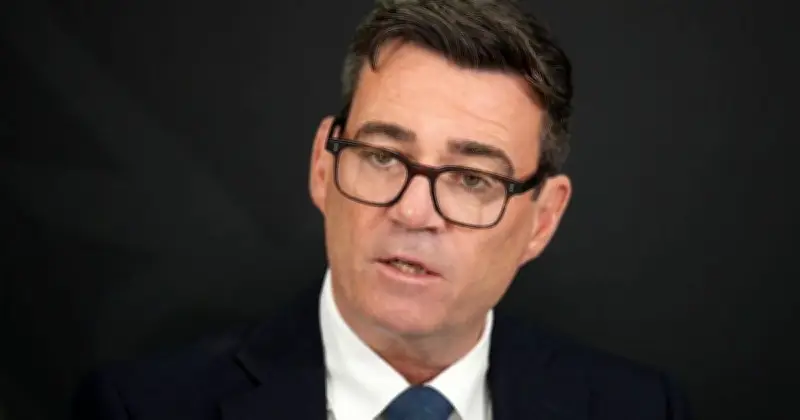
Andy Burnham, the new Prime Minister, faces a massive challenge in putting the nation's finances in order, but early signs are worrying, according to Harvey Jones. Burnham inherited a mess from Keir Starmer and former Chancellor Rachel Reeves, with weak growth, record taxes, rising spending and borrowing, and debt of almost £3 trillion. The International Monetary Fund has warned that the UK faces a difficult fiscal outlook as interest rates rise and the population ages, and cannot afford unfunded spending pledges.
Unfunded Tax Cuts and U-Turns
Burnham made a sensible start by appointing respected former Defence Secretary John Healey as Chancellor. However, last week's announcements have destroyed faith in his financial nous, as he opens his mouth without doing his sums first. Before taking power, Burnham talked about increasing the additional rate of tax from 45% to 50%, raising capital gains tax rates in line with income tax, and slapping a 10% supplement on inheritance tax. Now he's suddenly talking about tax cuts instead.
He said complaints about freezing the £12,570 personal allowance were "the thing I heard the most on the doorsteps" during the Makerfield by-election, stressing that the issue was "lodged in my mind". But he was quickly forced to row back on that, as ending the freeze could cost billions every year. That was his first U-turn, but more are likely to follow.
VAT Cut and Bus Fare Cap
Burnham is sticking to his pledge to scrap the 5% VAT charge on household electricity bills, said to save households just £45 a year, though in practice it will be half that. The temporary cut runs from October 1 this year to April 1, 2027. Savings are likely to be dwarfed by an anticipated rise in the energy price cap, with EDF forecasting the average annual bill could rise from £1,663 to £1,865 in January.
He suggested the £850 million cost would be funded by scrapping the digital ID programme, but former chief secretary Darren Jones pointed out the programme was unfunded. Helen Miller, director of the Institute for Fiscal Studies, said: "A VAT cut is a poor lever since the biggest cash gains will go towards richer households." She also criticised Burnham for "reallocating savings that have not yet been made".
Burnham also said he'd allocate £500 million to reduce the cap on single bus tickets from £3 to £2 until the end of the year, again without stating the funding source. Transport Secretary Heidi Alexander was left to publicly admit: "The detail will need to be worked out."
Business Rates and Borrowing
On Thursday, Labour announced a 20% cut in business rates for pubs, without saying how it would fund the £100 million cost. Burnham wants the glory of breaking good news without the hard work of making the numbers add up. Before becoming PM, Burnham drew ridicule by claiming that Britain needs "to get beyond this thing of being in hock to the bond markets". However, the only way to avoid being in hock is to avoid borrowing so much.
In the last two financial years, Reeves borrowed £152 billion and £132 billion. In the first three months of this year, borrowing already reached £57.6 billion, despite record tax receipts from her two punitive Budgets. If Burnham doesn't educate himself on finance, the nation could find itself in even deeper hock.