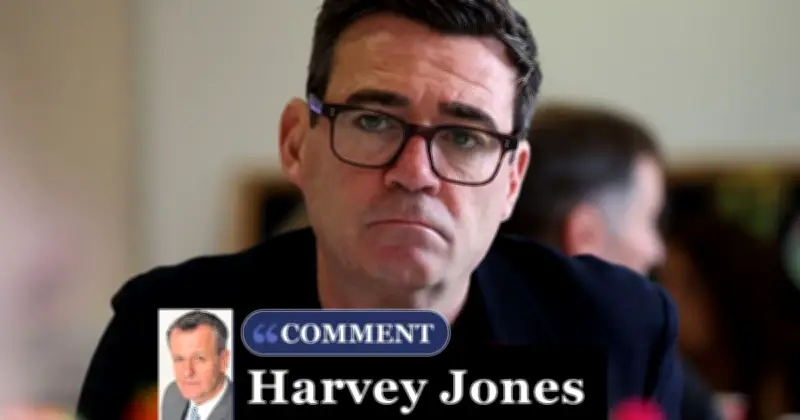
Andy Burnham's strategy to convince financial markets of his fiscal credibility is unravelling, with one key adviser ruling out a formal role and another publicly criticising government policy. The developments come as global markets remain on edge over high public debt levels.
Advisers step back
Lord O'Neill, the former Goldman Sachs chief economist, has confirmed he will not take a formal role in Burnham's government. The official reason cited is that he would need to hand over control of his extensive financial affairs to avoid conflicts of interest. However, policy differences have also emerged, with Lord O'Neill publicly opposing Labour proposals for a wealth tax or higher capital gains tax, warning they would drive out venture capitalists and entrepreneurs and crush growth.
Andy Haldane, the former Bank of England chief economist, is also expected to decline a role. In the Financial Times on Wednesday, he criticised Labour's tax hikes for damaging growth and called for a three-year moratorium on further tax rises and spending pledges. This stance conflicts with the government's approach, leaving Haldane out of the running.
Third adviser's position unclear
The third adviser, Richard Hughes, former chairman of the Office for Budget Responsibility, has not yet revealed his intentions. Hughes was forced to resign after being made the scapegoat for Rachel Reeves' Budget leaks in November, which may influence his decision.
The situation is a poor look for the Prime Minister at a critical time. Global markets are nervous, with western governments having accumulated towering debt levels. The US owes almost $40 trillion, while Britain's debt is close to £3 trillion. The Office for Budget Responsibility has warned that public debt is heading onto an unsustainable long-term path.
Spending pressures mount
In his first days as PM, Burnham announced £1.5 billion in spending pledges. He also faces demands for £4.7 billion for defence, social care reforms that could cost £18 billion, and a council housebuilding programme that could run to tens of billions.
This comes as Britain borrowed an additional £1.8 billion in July, a month typically boosted by self-employed tax receipts. Welfare spending rose 7.2% over the past year, while the economy is expected to grow just 1% this year. The Iran war has driven 10-year gilt yields above 5%, into dangerous territory.
Burnham needed his three advisers to convince markets he was serious. One has walked away, one has publicly rejected his plans, and the third is lying low. The bond market is watching closely.