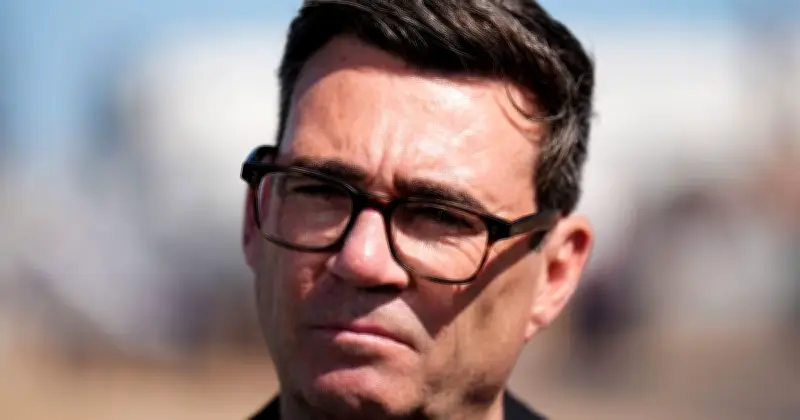
Markets have kept their composure during Andy Burnham's first week as Britain's fifth prime minister in four years, yet signs of strain are already emerging. Government bonds have extended a sell-off that began at the start of the month, lifting the 10-year gilt yield above 5% for the first time since May. Sterling has also drifted lower, trading closer to $1.33 against the dollar.
Matthew Ryan, CFA, Head of Market Strategy at Ebury, has identified five issues that investors should keep a close eye on under the new premiership.
Healey at the Treasury: safe hands or hidden expansionist?
The appointment of John Healey as chancellor was the cabinet's biggest surprise. Mr Ryan said the decision had been well received in financial markets.
He said: "The appointment of John Healey as Britain's next chancellor has been greeted rather well by markets. On paper, Healey sits to the left of Mahmood, with a track record of pushing for higher spending on defence and housing. But scratch the surface and he remains firmly soft-left: fiscally responsible and committed to working within the fiscal rules – a generally safe pair of hands."
Mr Healey previously served in the Treasury under Tony Blair and Gordon Brown, so he is not coming into the role cold. Still, Mr Ryan flagged a clear contradiction: only last month, Mr Healey resigned from the cabinet, calling for a larger defence budget and the issuance of war bonds. The crucial question for investors is whether those expansionist instincts will carry over to Number 11 or be shelved by the practical constraints of the job.
"Flexibility" around the fiscal rules
Mr Burnham's most notable early comment was his call for "flexibility" in the fiscal rules. Mr Ryan said markets regard the phrase as a red flag, seeing it as a possible euphemism for higher borrowing.
At minimum, Mr Ryan argued, it suggests Mr Burnham might try to keep certain spending, such as defence, outside the formal parameters without technically breaching the rules. With government debt at roughly 100% of GDP, the UK's borrowing costs higher than any other G7 nation and interest payments already consuming 8% of total government spending, the margin for error is thin. Any impression of loosening discipline could trigger further selling of UK assets.
Another blockbuster Autumn Budget
Mr Ryan sees this year's Autumn Budget as a major catalyst for UK assets. He said: "This year's autumn budget is set to be a major catalyst for UK assets. The core tension for Labour is that they are stuck between appeasing and winning back voters on the one hand, while keeping the bond market onside on the other – never an easy task."
Mr Burnham has already introduced low-cost, high-visibility cuts to VAT on electricity, bus fares and pub tax rates. Popular as they are, these measures have left investors wondering how they will be funded and whether they open the door to more tax hikes or additional borrowing.
Mr Ryan noted that Mr Burnham plans to honour a key Labour manifesto commitment. He explained: "Importantly, of course, is that Burnham intends to stick to one of the key Labour manifesto pledges – ie no increase to the 'big three' rates of taxation. If he honours such a pledge, it should lend some near-term credibility with markets. Yet it also narrows his fiscal options considerably, and could push the revenue-raising burden onto less politically salient areas such as property, wealth and business taxation."
Reports indicate Mr Burnham is weighing replacing council tax and stamp duty with an annual levy based on property values. However, such reforms typically take years to implement and may not produce the quick fiscal gains Labour needs.
The early election question
Labour's polling has improved since Mr Burnham took office. Mr Ryan said that if that trend persists, the new prime minister might seek his own mandate while conditions are still favourable.
Bookmakers put the chances of an election in 2026 at around 12% and in 2027 at 27%. Mr Burnham has downplayed the idea, but Mr Ryan argued it should not be ruled out if Labour's poll numbers continue to firm.
Sterling still underprices political risk
Mr Ryan has said for several weeks that the pound is not fully pricing in the risks of the Burnham premiership. He said: "As we've been saying for a number of weeks now, we do not think that the pound is adequately pricing in the risk premium associated with the Burnham premiership. We've seen some relief buying of UK assets of late, which we think is somewhat justified – Burnham's pledge to stick to the fiscal rules and the appointment of Healey rather than say an Ed Miliband-type figure are reassuring signals for markets.
"We are sceptical that this will hold, however, given that Burnham's instincts point towards the type of tax, borrow and spend policies that investors have historically balked at."
With wafer-thin fiscal headroom, a rising debt-to-GDP ratio, weak growth and an ageing population, the UK has little room for error. UK bond yields are already above those of other G7 countries and have climbed sharply since the Liz Truss mini-budget. A further loss of confidence – whether from fiscal slippage or a snap election – could push yields even higher and add to an already heavy debt-servicing burden.
The first week under Mr Burnham has been orderly. The months ahead, especially the Autumn Budget, will reveal whether that calm can last.