Burnham Faces Uphill Battle on Cost of Living
Andy Burnham is not a messiah. That was the blunt assessment from ex-Labour MSP Monica Lennon this week. It's a statement of the obvious but one that's worth repeating as the hype train carrying the Prime Minister-in-waiting gathers pace. Lennon, like many in Scottish Labour, is a Burnham supporter and campaigned for him during the recent Makerfield by-election.
Speak to anyone who has knocked on doors over the last few months, as elections took place across the UK, and they'll tell you the same thing. Whether it's in Greater Manchester or Greater Glasgow, voters feel hard-up. And they're furious with the traditional big two parties.
Short Honeymoon Expected
Many will still give Burnham the benefit of the doubt in the short-term, such is the unpopularity of Keir Starmer. But if the country continues bumping along the same path, that patience will quickly vanish. Burnham's big set-piece speech in Manchester talked a lot about devolution but was light on detail. He suggested he would like local authorities across the UK to enjoy greater powers. Few people - except those in the SNP determined to hoard as much power as possible at Holyrood - would disagree with that sentiment.
But this kind of thing takes time. You can't just ring up a town hall and tell them they'll be setting major economic strategies from next Monday. And Labour's next leader needs wins fast. When, as looks likely, Burnham enters Downing Street next month, he will face the same set of economic pressures that have made life so difficult for Starmer these past two years.
Economic Pressures Mount
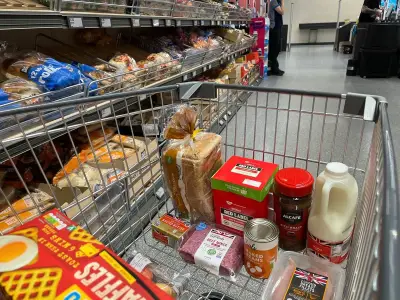
There remains widespread belief the Labour government has moved too slowly to tackle a cost of living crisis that has been grinding on now for more than four years. Rising inflation caused by the covid pandemic, when the demand for goods soared at a time production couldn't meet demand, pushed prices up. The war in Ukraine then saw the cost of energy triple. To top it all, the price of food rose by 25 per cent in 2023 and hasn’t come down since.
Wages have risen but not by enough to make up the ground lost to inflation. The cost of buying a home remains prohibitive to many younger people at a time the cost of private rentals have soared. This all means UK household disposable incomes are set to be £740 lower by 2029/30 than they were in 2024/25. No wonder people feel skint.
Debt and Global Risks
As the political economist William Davies puts it, "the unaffordability of everyday life has become the central issue in British politics, around which everything else revolves." Burnham knows all of this. He will shortly take charge of a UK Government that spends over £110 billion per year just to service its debt, which is more than it spends on schools. There is not a hidden pot of money that Rachel Reeves has been stubbornly refusing to open.
The Prime Minister-in-waiting must hope and pray the ceasefire between the US and Iran holds. A resumption of air strikes in the Middle East, and further disruption of the world's supply chains, would be disastrous for already fragile economic growth. Burnham can't be expected to change Donald Trump's mind when it comes to American foreign policy. But he'll get blamed for its impact on the UK all the same, just like Starmer often was.
In an ideal world, Trump will move on from Iran and decide to focus on American domestic issues instead. Calmer international markets could lead to drops in energy costs. And breathing space for a new PM. There's much we still don't know about Burnham and his plans for power. But his honeymoon with voters will be shorter than a Scottish summer if the cost of living continues to climb.