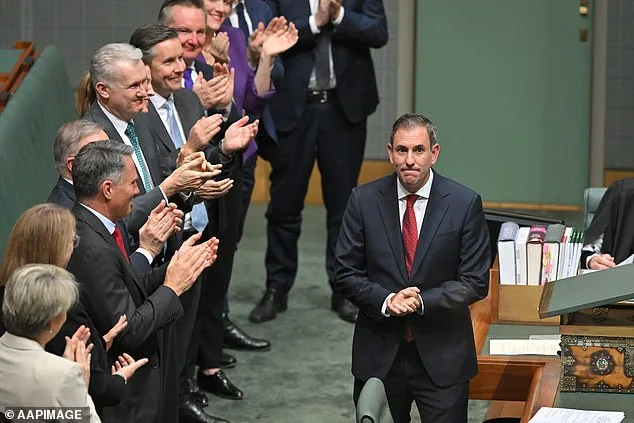
Australian Budget 2026: Chalmers Tackles Economic Anxieties Amid One Nation Rise
Budget 2026: Chalmers Faces Economic Anxieties, One Nation

Treasurer Jim Chalmers has unveiled the 2026 federal budget, aiming to alleviate economic anxieties gripping the nation as the opposition party One Nation gains traction among voters. The budget prioritises cost-of-living relief, with measures including tax cuts for low- and middle-income earners, increased welfare payments, and investments in renewable energy and housing affordability.

Key Budget Measures

The centrepiece of the budget is a $20 billion cost-of-living package, which includes:

  • Tax cuts: The low- and middle-income tax offset will be made permanent, providing up to $1,500 annually for individuals earning between $45,000 and $120,000.
  • Welfare increases: JobSeeker and other working-age payments will rise by $50 per fortnight, while the Commonwealth Rent Assistance will increase by 15%.
  • Energy bill relief: A $500 rebate for households and $1,000 for small businesses will be extended for another year.

Housing and Infrastructure

The government has committed $10 billion to build 50,000 new social and affordable homes over the next five years, alongside $5 billion for community infrastructure in growth areas. Additionally, $2 billion will be allocated to upgrade the national electricity grid to support the transition to renewable energy.

Wide Pickt banner — collaborative shopping lists app for Telegram, phone mockup with grocery list

Economic Outlook

Chalmers acknowledged the challenging economic environment, with inflation remaining stubbornly high at 4.5% and interest rates at 4.1%. The budget forecasts a return to surplus by 2028-29, but only modest economic growth of 1.8% in the coming year. The unemployment rate is expected to rise slightly to 4.2%.

Speaking in Parliament, Chalmers said: "This budget is about providing responsible relief to Australians who are doing it tough, while investing in the future of our economy. We are navigating global uncertainty and domestic pressures, but our plan is designed to strengthen our economy and support those who need it most."

Political Context

The budget comes amid rising support for the right-wing One Nation party, which has capitalised on economic anxieties and discontent with mainstream politics. Recent polls show One Nation's primary vote at 12%, up from 8% at the last election. The government is under pressure to address the concerns of voters who feel left behind by economic reforms.

One Nation leader Pauline Hanson criticised the budget as "more of the same," arguing it fails to address the root causes of inflation and housing unaffordability. "This budget does nothing to stop the cost-of-living crisis. It's just more borrowing and spending that will ultimately make things worse," she said.

Reactions and Analysis

Economists have given the budget a cautious welcome, noting the targeted nature of cost-of-living relief. However, some warn that the government's spending plans could add to inflationary pressures. The business community has praised the infrastructure spending but called for more substantial tax reform to boost productivity.

The budget also includes funding for essential services, with $15 billion allocated to the health system to reduce hospital waiting times and $5 billion for mental health services. Education spending will increase by $3 billion, focusing on teacher training and early childhood education.

As the government seeks to shore up support ahead of the next election, the success of this budget in easing economic anxieties and countering the One Nation surge remains to be seen. The coming months will reveal whether voters feel the measures go far enough to address their concerns.

Pickt after-article banner — collaborative shopping lists app with family illustration