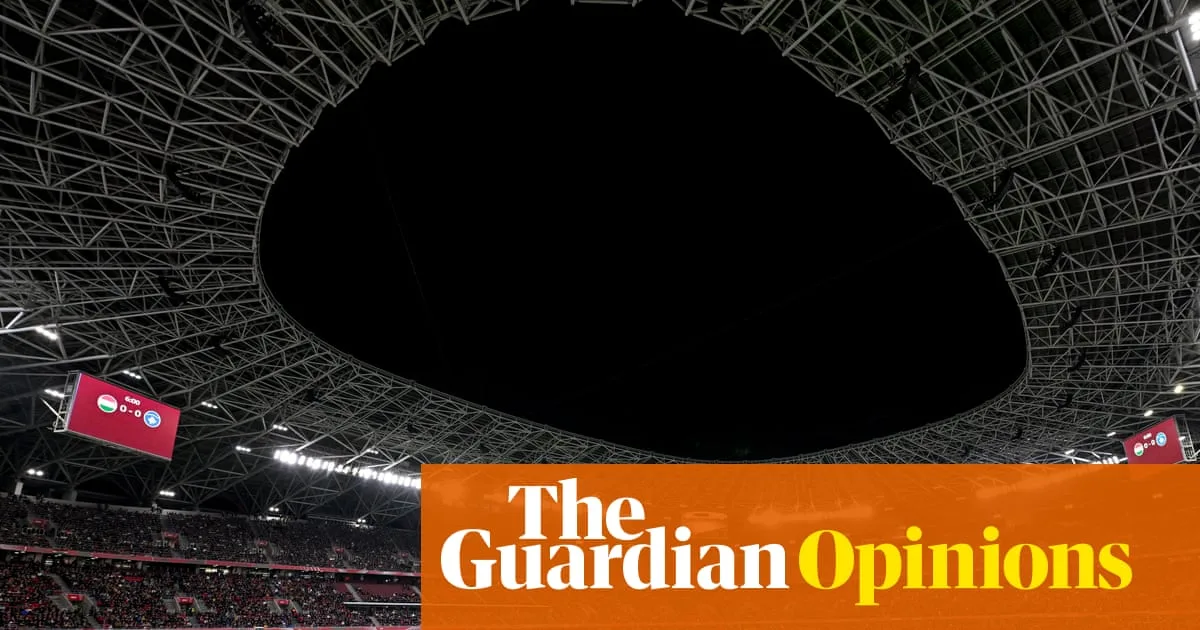
Budapest hosts the Champions League final this weekend, a fitting venue for Europe's premier club competition, yet the tournament remains a closed shop for clubs from smaller nations. Since Porto's victory in 2004, only clubs from Spain, Italy, Germany, France, and England have won the trophy, highlighting a lack of diversity in the winners' circle.
The final features Paris Saint-Germain and Arsenal, two teams that have evolved under meticulous coaching. PSG, under Luis Enrique, have transformed from a collection of individualists into a cohesive unit, while Arsenal, guided by Mikel Arteta, have built a highly organised side that conceded only six goals in 14 Champions League matches this season. Both coaches employ ball-oriented zonal marking, a modern tactical system that has proven effective.
Arsenal's journey is particularly notable; they have never won the European Cup, reaching the final only once in 2006. Despite lacking the individual brilliance of past stars like Thierry Henry, their collective strength has brought them to this stage. They are the first Premier League champions since the Invincibles in 2004, and their defensive solidity has been key.
Budapest, a city with a rich footballing heritage, will not see a Hungarian club compete. The Champions League remains a gated community, with clubs from smaller nations unable to compete due to uncompetitive domestic leagues. Former giants like Benfica and Ajax can no longer challenge, as they cannot retain their best players.
The final is a showcase of the best two teams, but the tournament's structure ensures that football's European elite remains limited to a handful of countries. While Budapest provides a vibrant backdrop, the sport's hierarchy shows little sign of changing.