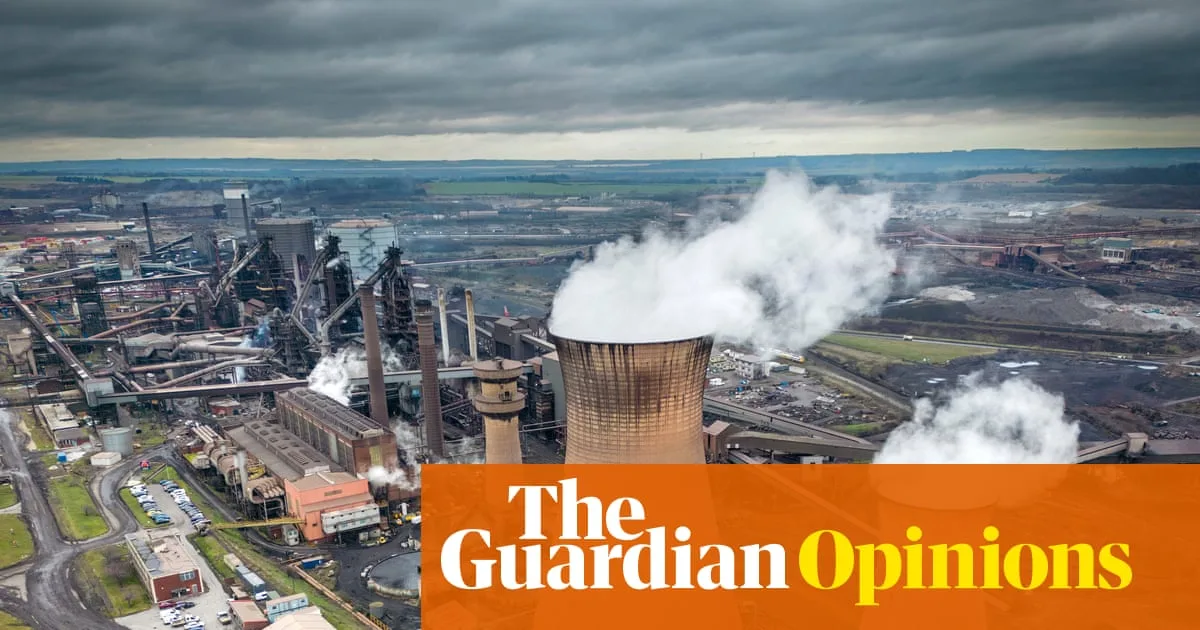
Full nationalisation of British Steel is now on the cards, ending the limbo-land state of ownership and providing some comfort for 4,000 workers. However, the government faces hard decisions over a possible sale and future subsidies, with many questions remaining about the actual plan and its cost.
Prime Minister Keir Starmer boasted about last year's emergency action to take control of British Steel at Scunthorpe, but the National Audit Office (NAO) reports that operational losses will reach £615m by next month. Full nationalisation will require the government to choose between its barely described 'potential future options' for the steelmaker.
Half an answer may appear later this week if ministers confirm that nationalisation is a way to enable a sale, or partial sale, to a better owner than Jingye. Sev.en Global Investments, the Czech group owning a modernised steelworks in Cardiff, is trying to create a buzz, but the list of credible suitors is short.
The terms of any post-nationalisation sale will be crucial. The big idea is for Scunthorpe to convert to an electric arc furnace, but the technology takes about three years to build. Keeping old-style furnaces running in the meantime is likely, to avoid a hole in the UK's steel strategy and a bust-up with unions.
The price tag may be steep. Any new owner will likely want subsidies for transition losses and to build the electric arc furnace, similar to the £500m support package given to Tata Steel at Port Talbot. The government's separate steel strategy includes tariffs to deter cheap imports, but energy costs remain higher than in continental Europe.
The NAO warned that taxpayer bills at Scunthorpe could exceed £1.5bn by 2028 if current conditions continue. Finding a way to reduce that projection while protecting jobs and steel-making capacity would give Starmer something substantial to boast about, but the job has barely started.