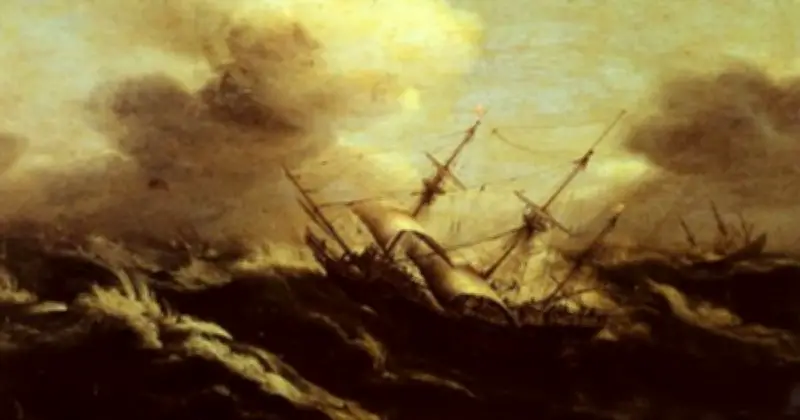
Britain abandoned efforts to recover a haul of sunken treasure worth up to £5.5 billion because of fears it would trigger a diplomatic row with Spain, according to leaked cables. The cables show that ministers had explored the possibility of salvaging a wreck believed to be HMS Sussex, a Royal Navy vessel that sank off the coast of Gibraltar in 1694 while carrying a vast quantity of gold and silver coins.
Historical Background and Discovery
Historians believe that the vast amount of treasure was being sent to Victor Amadeus II, Duke of Savoy, to finance his campaign against King Louis XIV during the Nine Years’ War against France. The wreckage was located by the American salvage firm Odyssey Marine Exploration after three years of searching, with the company stating that it was 99% certain the vessel was the lost English ship.
If correct, the ship and its contents would legally belong to Britain. The Government signed an agreement with the company shortly after its discovery to identify, excavate and recover the wreck, sharing any treasure recovered.
Diplomatic Tensions and Withdrawal
However, Spain’s long-running claims to sovereignty over Gibraltar entangled the project in diplomatic tensions, leading the British government to back down from its pursuit of reclaiming the treasure. In one cable, Dame Denise Holt, then deputy head of mission at the British embassy in Madrid, warned that the Odyssey dispute posed “an unnecessary threat” to Britain’s relationship with Spain.
According to confidential diplomatic cables from the US, Ms Holt told the US Ambassador to Spain that “tensions with Spain over Odyssey were continuing to pose an unnecessary threat on the two countries’ bilateral relationship.” She added: “The British were in no way linked to Odyssey’s “Black Swan” shipwreck find, and that the only link was the contractual agreement between the Ministry of Defense and Odyssey to salvage the HMS Sussex. Nonetheless, the extent to which the Spain-Odyssey controversy had affected British interests in Spain was spurring the British Embassy to distance themselves as much as possible from Odyssey.”
Spanish Opposition and Project's End
In a separate leaked cable from 2005, Carmen Calvo, Spain’s culture minister, declared that Odyssey would search for HMS Sussex “over her dead body”. The Telegraph reports that the threat of interference by the Guardia Civil saw the plan scrapped, with Neil Cunningham Dobson, the project’s marine archaeologist, claiming that Spanish patrol boats would “terrorise” those working on the salvage attempt.
He told the outlet: “The Guardia Civil patrol boat comes along, they stop you, they want to see your passport and all that, and off you go. For some reason, Spain didn’t like us and would terrorise us at every opportunity.”
Calls for Action
Veteran Conservative MP Sir David Davis believes that Britain should finally exercise the rights available to it under international law. He said: “Given Spain’s attitude to Gibraltar and given Spain’s attitude in this case, where there’s a real economic issue at play, why on earth would you be so precious about upsetting Spain? It seems self-evident the Government should extend the territory and claim our rights because they are rights under international law. And then you never know. We may recover £5bn of gold. We may not. But in any event, it seems to me a classic piece of British Foreign Office pusillanimity not to extend it. It should be done.”