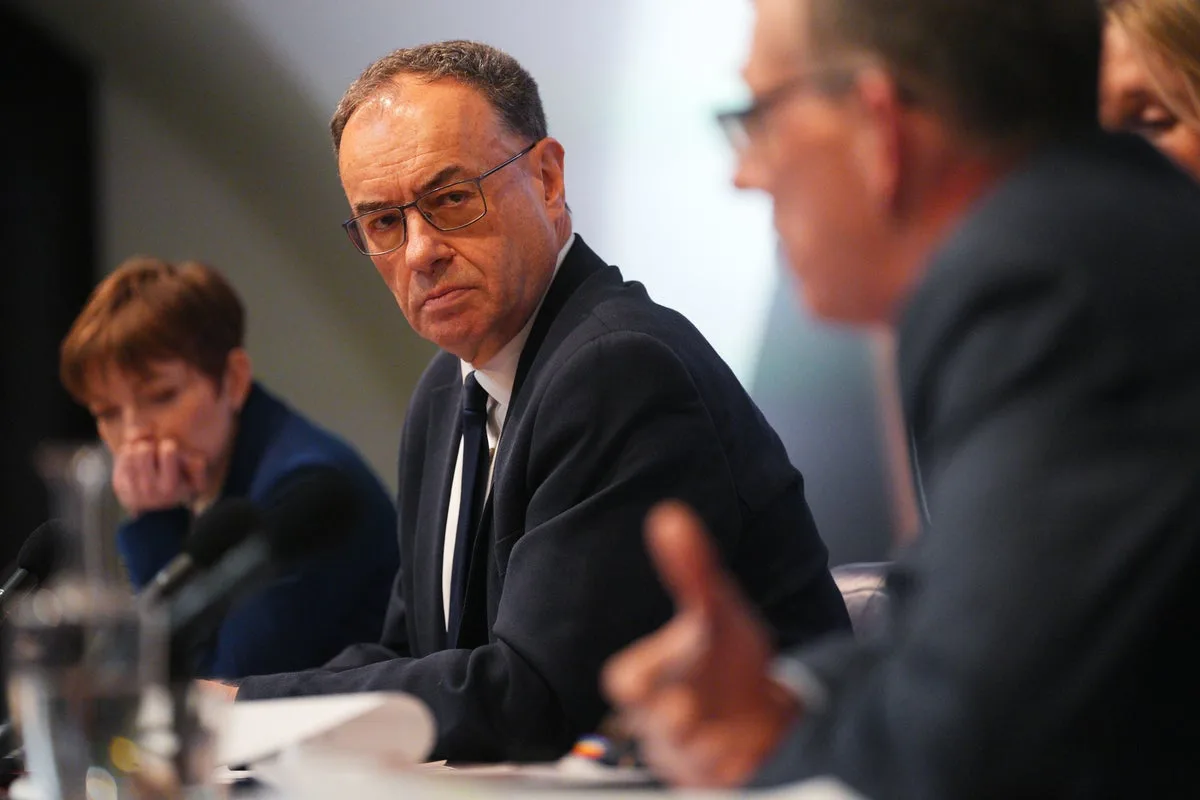
The Bank of England's Governor, Andrew Bailey, has stated that the conflict in the Middle East has caused 'a major supply shock' to the global economy. Speaking ahead of the International Monetary Fund's spring meetings in Washington, he noted that the situation has both monetary policy and financial stability implications.
Mr Bailey emphasised that the UK is better positioned to handle the shock due to its resilient banking system, which was strengthened after the 2007-09 financial crisis. He said that without this resilience, there would be greater concern about financial stability.
The IMF has revised down growth forecasts for the UK more sharply than for other major economies, and predicts that rising energy prices from the conflict could push UK inflation towards 4 per cent—double the Bank's target. The crisis has disrupted oil and gas supplies as Iran tightens control over the Strait of Hormuz, leading to a US blockade.
Prime Minister Sir Keir Starmer is leading efforts to secure navigation in the Gulf waterway, while US President Donald Trump has criticised the UK for not increasing North Sea oil extraction. Chancellor Rachel Reeves has condemned the US approach as ‘folly’.
Mr Bailey chairs the Monetary Policy Committee, which next meets on 30 April. He said he is maintaining a position of 'studious neutrality' on interest rates, noting that the best response to supply shocks is to address their source, not through monetary policy. The Bank will assess both the duration of the shock and its second-round effects on inflation persistence.