Beef and Tomato Prices Hit Record Highs as US Inflation Squeezes Consumers
Beef and Tomato Prices Hit Record Highs in US

Beef and tomato prices have reached record highs in 2026, according to the Bureau of Labor Statistics' April inflation report, leaving many consumers questioning whether burgers with all the fixings are a viable choice for summer barbecues. The report tracks price movements for grocery and everyday items on a month-to-month and year-on-year basis. While beef prices have risen by double digits year on year, they still lag behind the dramatic increase in tomato prices.

Beef Prices Surge

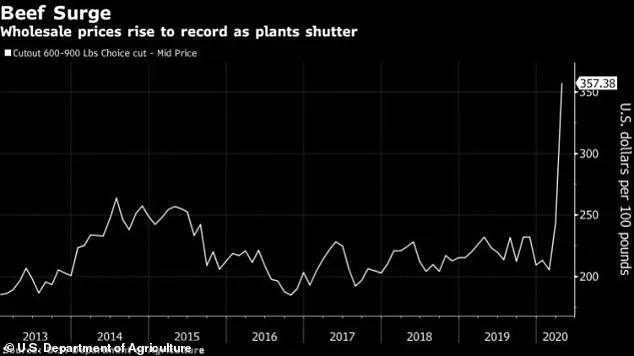
Beef prices are 14.8 percent higher year-on-year, with ground beef averaging $6.90 per pound, according to the Federal Reserve. This is up from $5.80 per pound a year ago. Contributing factors include limited supply, with the U.S. cattle supply in February reaching its lowest point since the early 1950s, as reported by Texas-based bulk beef producer Circle J Meat Co. The re-emergence of the New World screwworm, a dangerous pest threatening cattle populations globally, has also driven prices higher. The U.S. even had to order a one-day halt to cattle imports from Mexico due to the screwworm threat. Additionally, the war in Iran has pushed diesel fuel prices up about 48 percent compared to last year, increasing transportation costs for beef.

Barbecue Alternatives for Beef

Christine Pittman, CEO of recipe site COOKtheSTORY, suggests mixing ground beef with sautéed mushrooms to cut costs. A half-and-half mix provides a surprisingly good flavor and texture, as mushrooms add umami and a meaty feel. “Sometimes you can't even really tell they're in there,” Pittman told The Independent. This approach allows consumers to use half as much ground beef while maintaining a satisfying burger experience.

Wide Pickt banner — collaborative shopping lists app for Telegram, phone mockup with grocery list

Tomato Prices Skyrocket

Tomato prices have jumped 40 percent since April 2025, with a pound of field-grown tomatoes costing an average of $2.89 in April, up $1.10 from a year earlier. Month-on-month, tomatoes cost 15 percent more in April than in March. Supply issues are the primary cause: freezing temperatures in Florida, disease and heavy rains in Mexico, and darker-than-normal winter months in Canada have diminished the tomato harvest. Estimated losses in Florida alone are as high as 80 percent, according to fresh produce industry publication The Packer. High diesel prices due to the Iran war are also contributing to the skyrocketing costs.

Tomato Alternatives

Jessica Randhawa, founder of recipe site The Forked Spoon, recommends red bell peppers as a solid alternative to tomatoes. “Red bell peppers can add a similar sweetness and body to tomatoes in soups, sauces and stews,” she told The Independent. However, bell peppers lack the acidity of tomatoes, so a splash of lemon juice or vinegar can compensate.

Milk Prices Rise

Milk prices rose 1.6 percent from March to April, with a gallon of whole milk averaging $4.14 in April, up about six cents from a year earlier. This marks a return to levels seen in April 2022, when whole milk first surpassed $4 per gallon in the 39-year history of Federal Reserve tracking. Despite booming milk production over the past two years, which typically lowers prices, increased foreign demand for U.S. milk and a consumer shift toward protein-heavy foods like yogurt have boosted demand and kept prices elevated, according to industry publication Dairy Herd Management.

Egg Prices: A Bright Spot

Egg prices, once the poster child of inflation, have fallen sharply. After reaching a record $6.23 per dozen in March 2025 due to a strain of bird flu that killed some 20 million egg-laying chickens in 2024, prices dropped to $2.25 in April. The decline is attributed to fewer chickens dying from bird flu, according to the Farm Bureau. This provides some relief for consumers facing higher costs elsewhere.

Pickt after-article banner — collaborative shopping lists app with family illustration