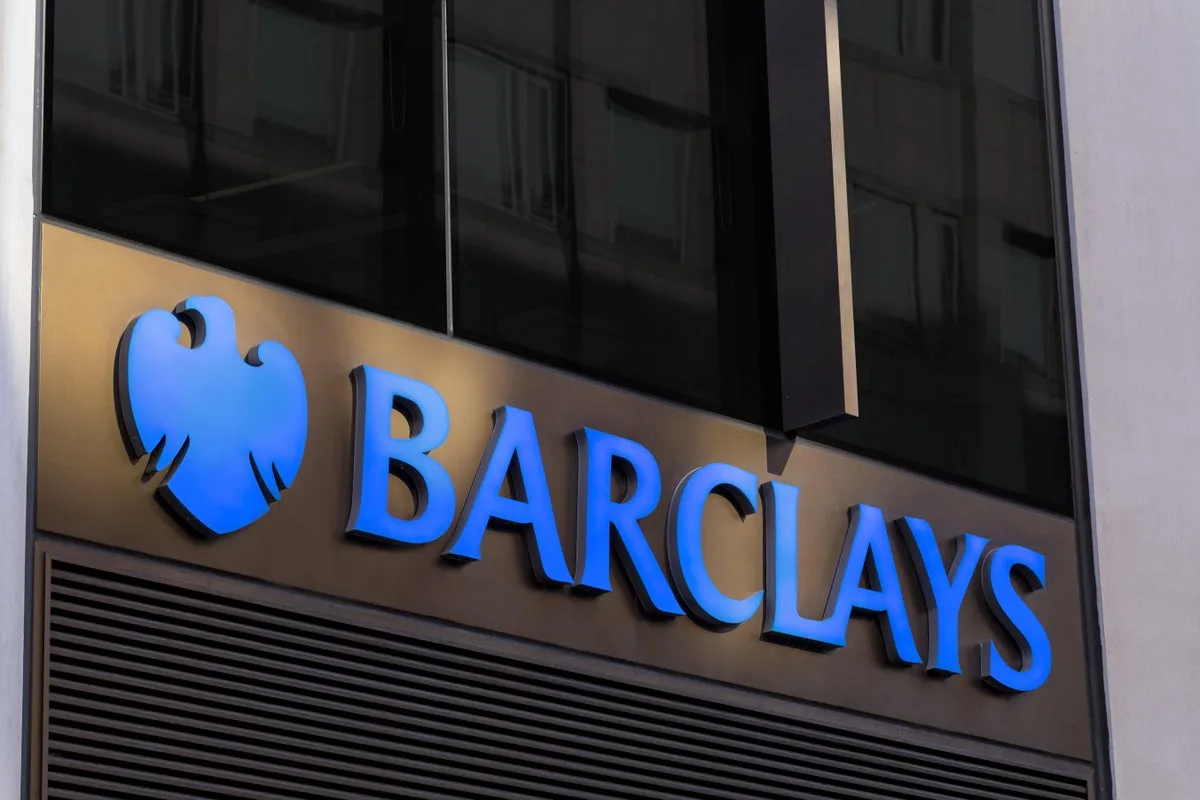
Barclays has announced that customers using its Direct Investing service will no longer pay a monthly customer fee. The bank cited research indicating that low fees and charges are the most important factor when choosing an investment service.
Previously, Barclays Direct Investing customers paid 0.25% on balances up to £200,000 and 0.05% above that level. With the fee removed, someone with a £50,000 portfolio would save £125 annually. The bank noted that there is no fee for buying or selling funds, though an ongoing charge is levied by the fund manager, and the £6 fee to buy or sell investments remains unchanged.
A customer with £10,000 in shares making six trades a year would pay £36 under the new pricing, compared with £61 previously, saving £25. Foreign exchange fees may apply for trading international shares, and there are no exit fees if a customer chooses to leave.

Barclays said the move is part of its commitment to help close the UK’s “investment gap”. Sasha Wiggins, chief executive of Barclays Private Bank and Wealth Management, said removing the fee will help “make it more straightforward for people to take the next step and invest with confidence”.
The announcement comes amid wider efforts to boost investment culture in the UK, with concerns that some people hold significant sums in cash that could grow more strongly if invested. However, the value of investments can go down as well as up, and people should consider their risk appetite and when they may need access to the money.
Holly Mackay, chief executive of Boring Money, described the move as “very big” and said it “will shake up the direct investing market”, adding that it “suggests that 2026 is going to shape up to be a very competitive year for the hearts, minds and investment wallets of middle England”.