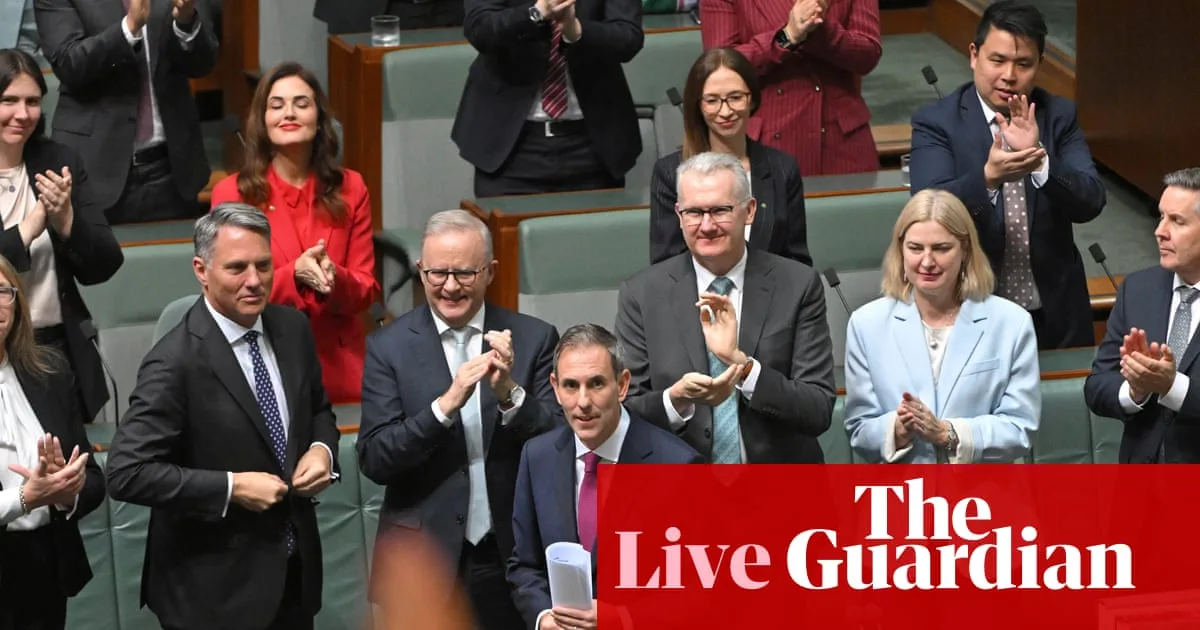
Treasurer Jim Chalmers has delivered the 2026 federal budget, outlining a series of measures aimed at addressing cost-of-living pressures, boosting housing supply, and accelerating the transition to renewable energy. The budget, presented in Parliament on Tuesday evening, comes amid ongoing economic challenges including high inflation and rising interest rates.
Cost-of-Living Relief
Chalmers announced additional cost-of-living relief, including an extension of the energy bill rebate and increased rental assistance for low-income households. The government will also provide a one-off payment to pensioners and welfare recipients to help with rising expenses.
Housing Measures
Key housing initiatives include a $10 billion Housing Australia Future Fund, aimed at building 30,000 new social and affordable homes over the next five years. The government also plans to expand the Home Guarantee Scheme, allowing more first-home buyers to enter the market with smaller deposits.
Renewable Energy Investment
The budget allocates $20 billion for renewable energy projects, including solar, wind, and hydrogen infrastructure. This funding is part of the government's commitment to achieving net-zero emissions by 2050. Additionally, tax incentives will be provided for businesses investing in green technologies.
Defence Spending
Defence spending will increase to 2.5% of GDP, with additional funding for the AUKUS submarine program and cyber security capabilities. This reflects the government's focus on regional security amid growing geopolitical tensions.
Health and Education
Health funding includes $5 billion for Medicare to improve bulk-billing rates and $2 billion for mental health services. Education receives a boost with $3 billion for early childhood education and $4 billion for skills training and apprenticeships.
Economic Outlook
The Treasury forecasts a modest surplus of $5 billion for the current financial year, with a return to deficit in subsequent years due to increased spending. Economic growth is expected to slow to 1.5% in 2026, before rebounding to 2.5% in 2027. Inflation is projected to remain above the Reserve Bank's target range until late 2026.
Reactions
Opposition Leader Peter Dutton criticised the budget for failing to address the root causes of inflation and for excessive spending. However, economists noted that the targeted relief measures could help ease pressure on households without significantly adding to inflationary pressures.
Overall, the 2026 budget represents a balancing act between providing immediate relief and investing in long-term structural reforms. The government will now face the challenge of implementing these measures while navigating an uncertain economic environment.