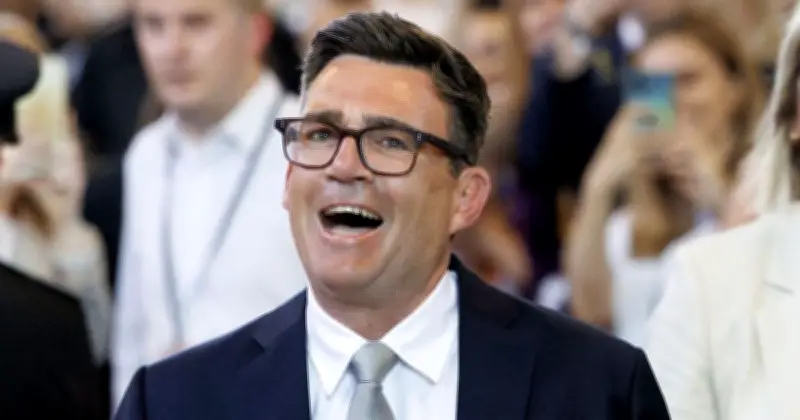
Following Keir Starmer's resignation as Prime Minister on Monday, speculation is mounting that former Manchester mayor Andy Burnham could take over within weeks. This has triggered a 5,000 per cent surge in Google searches for “predicting UK mortgage costs,” as homeowners and buyers seek clarity on what the political shift might mean for their finances.
How Keir Starmer's Resignation Impacts Mortgage Rates
Joseph Lane, founder of Mortgage Lane, says political instability does not directly move the Bank of England base rate, but it shakes confidence. “Low trust can cause a domino effect across the market. Lenders tighten their criteria. Valuers get cautious. Buyers hesitate. And hesitation, in a time-sensitive deal, is the same as a no,” he explained.
The base rate currently sits at 3.75%, which appears positive, but swap rates—the mechanism pricing fixed-rate mortgages—respond to market sentiment rather than base rate alone. Lane notes that a Middle East conflict has already rattled energy prices and inflation forecasts throughout the year. “We now have a leadership vacuum at Westminster until at least September. Forecasts for the end of 2026 range from 3.5% to 4.25%, which is a wide margin of error.”
Lane advises that waiting for political stability before making property decisions is futile, as the market has been uncertain since 2016. “Confidence is key to stable mortgage rates,” he added.
What to Do If You're Looking for a Mortgage Now
Lane recommends securing a mortgage deal up to six months before completion to lock in current rates. “For anyone concerned about rates rising during the political transition, locking in a rate now can provide valuable protection while still leaving open the possibility of switching if cheaper products become available before completion.”
He also suggests bridging finance as a short-term option. “Bridging in June 2026 prices between 0.52% and 0.95% per month for most mainstream cases—short-term, flexible, and critically, not dependent on long-term rate forecasting. You don't need to know where rates are in three years. You need to know where they are for the next six to twelve months.”
What Andy Burnham as PM Could Mean for Your Mortgage
Lane believes Burnham’s potential premiership would have a greater impact on mortgages than Starmer’s resignation, because policy changes influence borrowing costs more than leadership changes. Burnham has advocated replacing both council tax and stamp duty with a proportional property levy equivalent to 0.48 per cent of a property’s value.
“Today, buyers often add stamp duty costs to their overall borrowing requirement. A new annual property levy would instead become a permanent household expense, reducing disposable income and potentially lowering the amount lenders are willing to offer through affordability assessments,” Lane explained.
He warns that major property tax reform could cause investors to question fiscal implications, potentially pushing gilt yields higher and increasing swap rates. However, if reforms are viewed as economically credible and supportive of housing mobility, markets could respond positively. “The mortgage impact of Burnham as PM is likely to be far greater than the impact of Starmer's resignation,” Lane concluded.