American workers are grappling with severe affordability challenges, despite repeated claims from President Donald Trump that the US economy is experiencing a robust recovery. An exclusive poll and interviews conducted by The Guardian reveal a stark disconnect between official rhetoric and the daily financial realities faced by millions across the nation.
Personal Struggles Amid Economic Promises
Dawn Levie, a 61-year-old postal service worker from Paulden, Arizona, has seen her earnings diminish due to reduced hours, making it increasingly difficult to cover essential expenses like groceries and utility bills. "It's hard to describe how you feel when you can't sustain your livelihood because your money is impacted," Levie explained. "You can't pay bills, [and] creditors get mad. How do you tell them: 'I just don't have it?'"
This sentiment is echoed by Bryan Williams, a 63-year-old home-care worker in Madison, Wisconsin, who lives paycheck to paycheck on $17.65 an hour. "I know things are worse, because I'm living it and I feel it every day," Williams said. "It's very hard trying to pay rent, pay your bills, buy food, gas and juggle which ones you can pay [and] which ones you can let go."
Rising Prices and Stagnant Wages
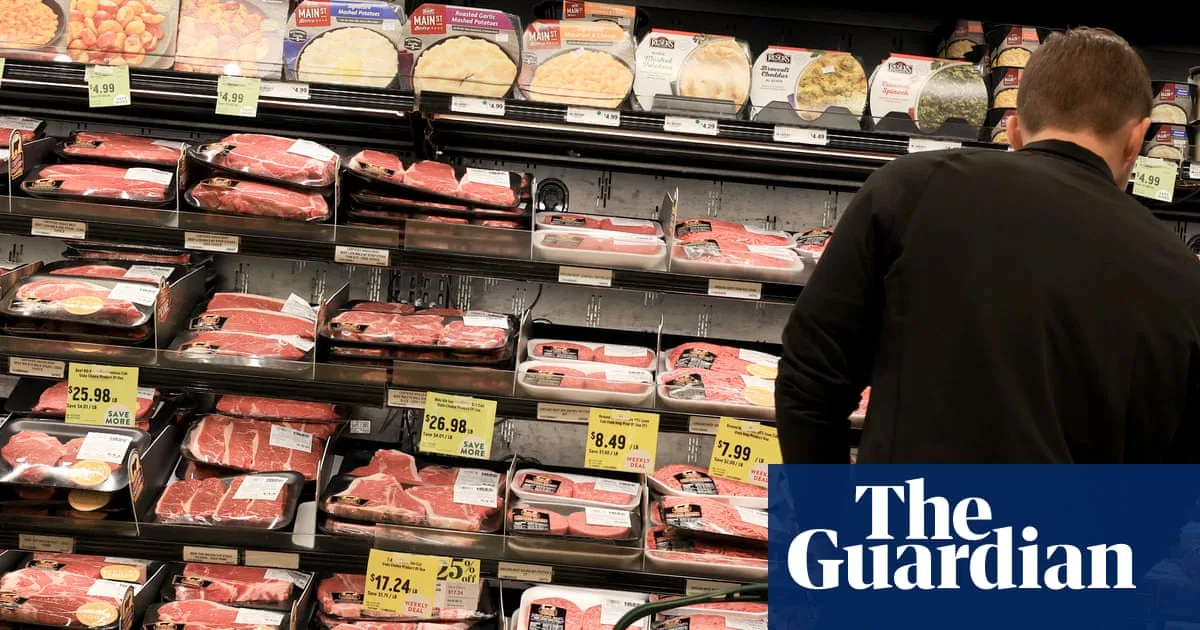
Data underscores these personal accounts. Food prices rose by 2.9% in January 2026 compared to the previous year, with a projected increase of 3.1% over the next twelve months. Utility costs surged by more than 6% in the same period. Meanwhile, wage growth has failed to keep pace. The lowest 10% of earners, averaging $14.56 per hour, experienced a 0.3% decline in real wages when adjusted for inflation in 2025. The federal minimum wage remains frozen at $7.25 per hour, unchanged since 2009.
Vernice Thompson, a 63-year-old retail worker in Williamsburg, Virginia, highlighted the pervasive nature of price hikes. "Groceries have gone up. [The prices of] a lot of the foods that I like have gone up," Thompson noted. "I know the price of clothing too because I work in retail, and I haven't seen any declines in the price of clothing. Everything is going up."
Policy Impacts and Debt Accumulation
The Trump administration's policies have exacerbated financial pressures for many households. Seven in ten Americans report that tariffs have increased their expenses, with families paying an estimated $1,700 extra due to these levies from February 2025 to January 2026. Concurrently, significant cuts to social programs have been enacted. The One Big Beautiful Bill Act, passed last summer, slashed over $1 trillion from Medicaid, $536 billion from Medicare, and $186 billion from the Supplemental Nutrition Assistance Program (Snap).
These measures have contributed to a rise in household debt, which reached $18.8 trillion in the fourth quarter of 2025, a 4% increase from the start of the year. Credit card debt hit a record $1.28 trillion by the end of 2025, while delinquency rates for all debt types climbed to 3.26%, up from 1.7% in the same period of 2024.
White House Response and Worker Skepticism
Despite these challenges, the White House maintains a positive outlook. At a recent rally in Kentucky, President Trump declared, "Inflation is plummeting, income is rising, the economy is roaring back!" Spokesperson Kush Desai reinforced this message, stating, "America's economic trajectory under President Trump has been solid. This week's CPI report showed inflation continues to cool while the Administration's tax cut, tariff, and deregulatory agenda continues to drive robust real wage and investment growth."
However, workers remain skeptical. Crystal Franklin, a 54-year-old US passport specialist and mother of three from Dumfries, Virginia, has adjusted her lifestyle due to rising costs, taking the bus to work and cutting back on groceries. "We're not able to do what we used to be able to do because cost of living has gone up extremely high," Franklin lamented.
Bryan Williams summarized the prevailing disillusionment: "Things have been pretty tough in the last year. I don't believe anything Trump says because everything he promised us he was going to do did not happen." As the midterm elections approach, these economic concerns are likely to influence voter sentiment, highlighting the gap between political assurances and everyday financial struggles.