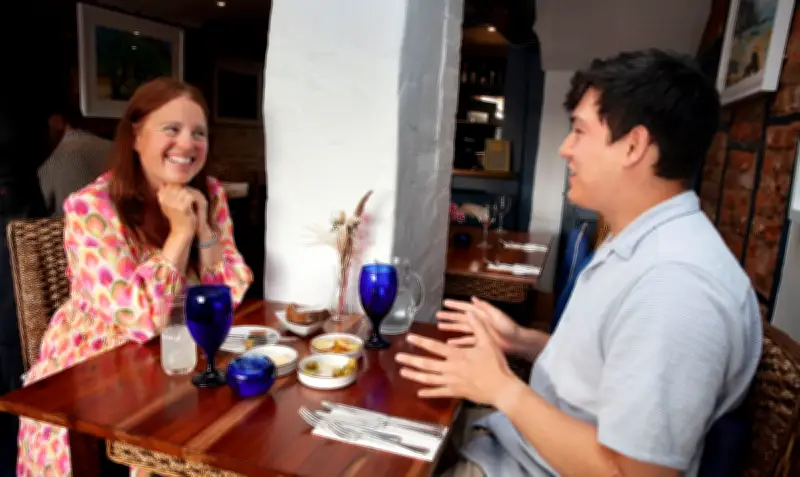
Anna, an education academic at the University of Exeter, and JJ, a 19-year-old medical sciences student and part-time tennis coach, met for dinner at The Galley Restaurant in Topsham, Exeter, as part of the Dining across the divide series. They found common ground on social issues but clashed over the monarchy and income taxation.
Shared Concerns on Wealth and Poverty
Both expressed concerns about extremes of wealth and poverty. Anna, who sometimes votes Labour or Green, said she is in favour of a 100% income tax on earnings over £350,000, but thinks the threshold should be lower at £200,000. JJ, a Liberal Democrat voter, disagreed, arguing that such a cap would stifle investment and drive away high-earning professionals. He questioned the effectiveness of an income cap when the super rich can take money through capital gains, dividends, and assets.
Monarchy: A Point of Contention
On the monarchy, Anna acknowledged that King Charles seems to be doing a good job but said that does not make the system OK. She noted her German background and the lesson from the Third Reich about not centring institutional continuity around individuals. JJ defended the monarchy, citing fond memories of a street party for the diamond jubilee and arguing that a president like Blair or Truss would be worse. He praised King Charles for using soft diplomacy, such as putting Trump in his place.
Prison Reform and Nonviolent Offences
Both agreed that people should not go to prison for nonviolent offences like not paying a TV licence. Anna highlighted that non-payment of a TV licence disproportionately affects women and can lead to imprisonment, questioning why a politician can avoid prison for a £40,000 tax bill while a single mother cannot. JJ added that while he agrees on small offences, he believes those committing criminal damage, such as Palestine Action protesters, should face prison, but not those simply holding placards.
Conclusion: Breaking Bread Builds Understanding
Anna said the discussion was a lesson that examining different viewpoints openly can change attitudes. JJ noted that breaking bread keeps discussions from escalating like they do on social media, wishing more people would engage in such conversations.