Japanese Prime Minister Issues Public Denial Over 'Sanae Token' Meme Cryptocurrency
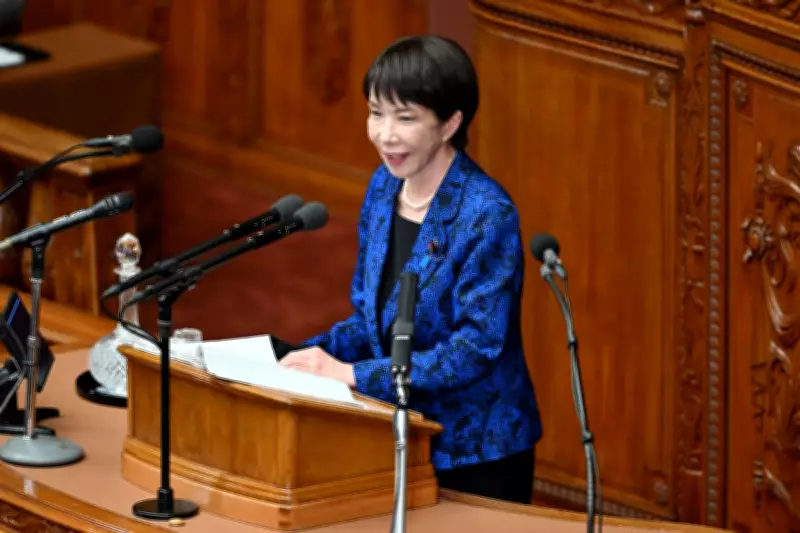
Japan's Prime Minister Sanae Takaichi has issued a stark warning to the public, clarifying that she has no involvement with a meme cryptocurrency named "Sanae token" and urging supporters not to be misled by its branding. The statement, posted on social media platform X, triggered a dramatic sell-off, with the token's value halving within hours as investors reacted to the news.
Prime Minister's Firm Rejection of Any Association
"While there appear to be various misunderstandings – perhaps because of the name – I have absolutely no knowledge of this token, nor has my office been informed about what it is," Ms Takaichi wrote in her post. "We have not given any form of approval in relation to this matter. I am issuing this statement to ensure that the public is not misled."
Ms Takaichi, who made history as Japan's first woman prime minister, commands a substantial social media following. Her ruling Liberal Democratic Party recently secured a landslide victory in the general election, bolstered by high approval ratings for her cabinet. This prominence has made her name a target for unofficial commercial ventures.

Origins of the Controversial Meme Coin
The "Sanae token" was launched on 25 February by NoBorder, a political YouTube channel operated by entrepreneur Yuji Mizoguchi. The group framed the cryptocurrency as part of a broader initiative titled "Japan is Back," a slogan originally popularised by Ms Takaichi's political mentor, former prime minister Shinzo Abe.
According to NoBorder, the project aims to modernise democracy by leveraging emerging technologies such as artificial intelligence and Web3 – a vision of a decentralised, blockchain-based internet where users exercise greater control over their personal data. The channel explained that it chose the name "Sanae" because it symbolises the concept of a "democratically elected leader."
Online Backlash and Deepening Confusion
Despite a disclaimer on the token's official website stating it is not linked to or endorsed by Prime Minister Takaichi, the initiative faced significant criticism online. Many social media users condemned the branding as potentially deceptive, arguing that the association with the prime minister's name could create false impressions among the public.
The confusion intensified when an X account claiming to be an "officially recognised" supporters' group for Ms Takaichi shared NoBorder's original announcement. "Team Sanae empathises with this initiative and would like to collaborate with our activities," the support group declared in its repost, further muddying the waters regarding the token's legitimacy.
Market Reaction and Historical Precedents
Following the prime minister's unequivocal denial, trading activity surrounding the token turned sharply negative. According to reports from The Japan Times, its price dropped by more than 50% as investors rapidly reassessed its appeal in light of the clarification. This dramatic plunge underscores the volatile nature of meme cryptocurrencies and their susceptibility to public statements from influential figures.
Coins themed around world leaders are not a novel phenomenon. The most prominent example is the Official Trump memecoin, which capitalised on the former US president's name. Similarly, last year Argentine President Javier Milei faced intense backlash for promoting a controversial Solana-based meme coin known as $Libra.
Mr Milei later rejected claims that he had endorsed the cryptocurrency, which initially surged in price before plummeting sharply, leaving most investors with substantial losses. These incidents highlight the recurring risks associated with politically themed digital assets and the importance of clear disclaimers from public figures.