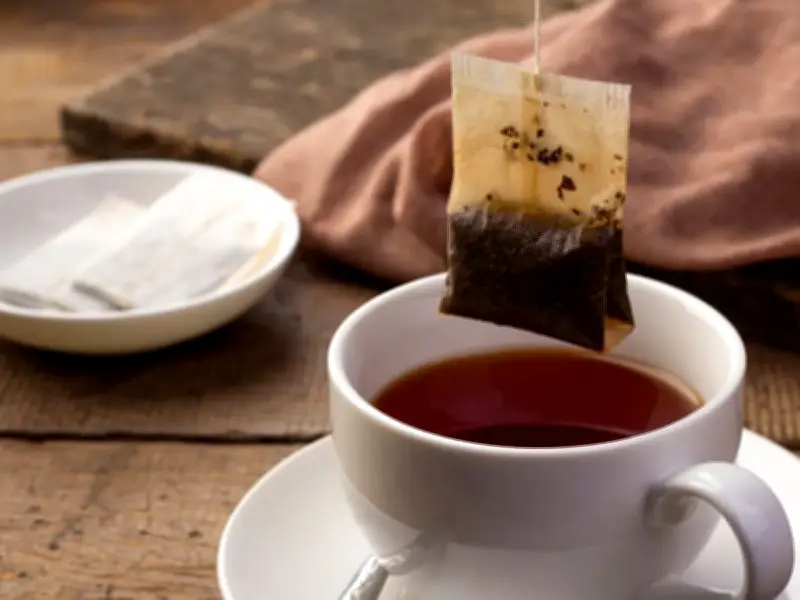
Traditional British tea is facing stiff competition as younger drinkers increasingly opt for matcha and chai, according to a new survey of 2,000 Brits commissioned by Oatly.
The research found that 47% of young Brits consider traditional tea old-fashioned, while 81% of under-30s order an alternative when visiting a cafe. Even the ritual of dunking a biscuit has not escaped scrutiny, with one in five viewing it as old-fashioned.
Matcha and Chai Lead the Alternatives
Matcha emerged as the most popular alternative to tea at 38%, followed by chai at 25% and herbal or botanical drinks at 19%. Plain water, warm milk, and decaf and flavoured coffees were also on the rise, according to the findings.
English breakfast tea topped the list of drinks and traditions considered old-fashioned at 47%. Earl Grey followed at 43%, just ahead of tea with cow's milk and two sugars at 42%. Tea cosies and teapots completed the top five, both at 32%.
Changing Tastes and Cafe Culture
Some coffee favourites were also given the same verdict. More than a quarter considered cappuccinos old-fashioned (27%), along with flat whites (25%). Sugar lumps and loose-leaf tea both scored 22%.
Almost two thirds of respondents (65%) reckoned they could tell someone's age simply from their choice of drink. For younger customers, it was about more than flavour, with 93% of under-30s saying texture was almost as important as taste.
Meeting for a hot drink remained popular. More than four in five respondents (82%) regularly caught up with friends or family over one, while 72% would rather meet for coffee than go to the pub.
Experts Predict Menu Shifts
Oatly's 'Future of Taste' report also draws on more than 200 interviews with drinks experts across 21 countries to explore changing cafe culture.
Rowena Roos, global head of food and drinks experience at Oatly, said: "The experts we spoke to around the world told us cafe menus are about to look very different, and it turns out that Brits are already ordering from that menu. People are experimenting with new flavours, looking for new textures and expecting more from what's in their cup."
"At the same time, cafes are becoming increasingly important places to meet and connect. The beloved cuppa isn't going anywhere just yet, but it's definitely got some competition," she added.