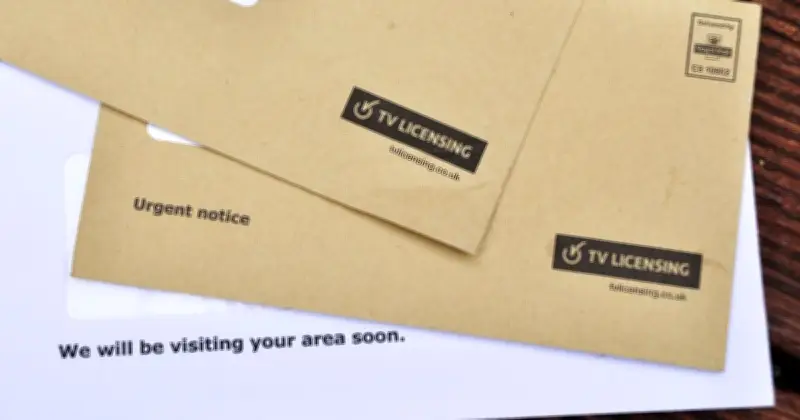
An expert has revealed that women are the group most likely to pay a TV licence fine, not because they are more likely to evade the fee, but because they are often at home when enforcement officers call.
Women and TV licence prosecution
Thomas Gibbons, a free money and debt advice expert at Money Wellness, said that “roughly three-quarters of those prosecuted are women”. He explained that this is not because women are more likely to dodge the fee. “Women are more likely to be at home when an enforcement officer knocks, and more likely to answer the door and answer the questions honestly, at which point the case is recorded in their name,” Gibbons said.
He added: “Women also head most single-parent households, where budgets are stretched thinnest. So the enforcement process falls hardest on women on low incomes, not because they're more likely to evade the fee, but because of how cases end up in their name.”
Consequences of evading the TV licence
Watching live TV or BBC iPlayer without a TV licence is a criminal offence. Those caught face a fine of up to £1,000 and a criminal conviction. The TV licence costs £180 per year and is required for watching any live TV, including sports and events, as well as live-streaming services and BBC iPlayer.
Gibbons noted that most people assume falling behind on a TV licence works like any other bill, with reminder letters or debt collectors. However, watching TV without a licence is a criminal offence, and TV Licensing’s response to non-payment is prosecution, not debt collection.
Help available for those struggling to pay
For those struggling to pay their TV licence, Gibbons recommends TV Licensing’s Simple Payment Plan, which spreads the cost into smaller amounts. “It's far better to arrange that than to quietly stop paying,” he said.