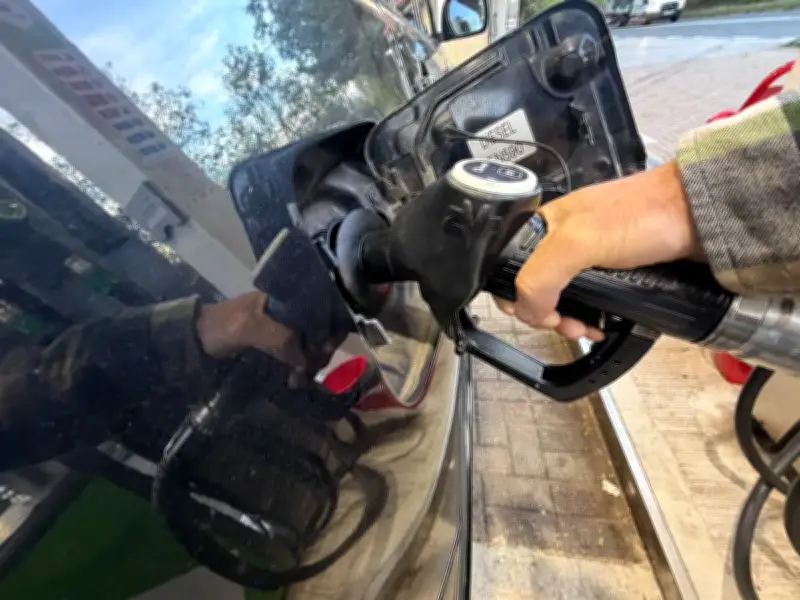
Supermarket fuel sold at Tesco, Asda, Sainsbury's and Morrisons is not inferior to branded petrol, despite being up to 10p per litre cheaper, according to fuel experts. The base product meets the same British standards as fuel from Shell, BP or Esso, and often comes from the same refineries.
Latest figures from the RAC show the average price of a litre of unleaded is now £1.74, while diesel stands at £2. Millions of motorists regularly choose supermarket forecourts over branded stations, with price differences sometimes reaching five to 10p per litre less than Shell, BP or Esso.
Same standards, same refineries
Beth Fountain, fuel expert at Interfuels, said: "There is a lot of suspicion around supermarket fuel, and most of it is not justified. The base fuel sold at a Tesco or Asda forecourt has to meet exactly the same British standards as anything sold under a major brand name. In many cases, it has come from the same refinery and travelled in the same tankers."
All petrol and diesel sold in the UK must meet strict legal standards regardless of where it is sold. Supermarket fuel tankers regularly collect from the same storage terminals as branded suppliers, meaning the core product is often identical before it reaches the pump.
Additives make the difference
The real difference between supermarket and branded fuel comes down to additives. Major fuel brands such as Shell V-Power, BP Ultimate and Esso Synergy Supreme+ blend proprietary chemical packages into their fuel before it reaches the forecourt. These are designed to clean engine components, reduce carbon deposits and, in some cases, improve efficiency over time.
Fountain explained: "Branded fuels do contain higher levels of cleaning additives, and for certain vehicles, particularly older engines or high-performance cars that cover a lot of miles, there can be a benefit to using them regularly. For the average driver doing a typical weekly mileage in a modern car, the practical difference is minimal."
Commercial strategy behind lower prices
The reason supermarkets can price fuel so much lower has little to do with quality and a great deal to do with commercial strategy. Large supermarket chains use competitive fuel pricing to drive footfall. A driver who stops to fill up is likely to walk into the store and spend money on groceries, meaning the supermarket can afford to take a smaller margin on fuel than a standalone forecourt.
On a typical family car filling up once a week, choosing a supermarket forecourt over a branded station could save well over a hundred pounds across a year. The expert added: "Supermarket fuel is not a compromise for most people. It does exactly what fuel is supposed to do. The savings are genuine, and there is no credible evidence that using it in a standard modern vehicle causes any harm whatsoever."
For drivers who cover very high mileage, tow regularly, or own older vehicles, the additional engine-cleaning properties of premium branded fuel may offer some long-term benefit. Manufacturers of performance cars sometimes recommend higher-specification fuels as well. In those cases, the extra cost can be worthwhile.
For everyone else, experts say the cheaper option at the supermarket pump is a perfectly sound choice. She added: "The myth that supermarket fuel is somehow watered down or inferior has persisted for years, but it does not hold up. If you are looking for a simple way to cut your fuel bills without changing anything else about how you drive, filling up at the supermarket is one of the easiest wins available."
Earlier this year Which? also backed the view and said even supermarket fuels had additives and made very little difference unless using a high performance car. In a video it explained you should not be worried you are "getting naff, off-brand petrol that wrecks your car".
However some motorists were keen to point out they believed they got more miles when filling up with branded than supermarket. Qutub said: "The mileage is definitely less with this 'supermarket' fuel, atleast defenitiely from ASDA." While Nick said: "Funny thing is I get better economy from Esso than Sainsbury's."
However Dennis disputed their views. He said: "As a retired excise officer I can confirm that all fuel is fundamentally the same. If you buy ESSO in south Wales its made by Valero Pembroke ( formally Texaco). If you buy BP in Hampshire it will be brewed by ESSO in Fawley. And so it goes on....."
Richard agreed saying: "My uncle was a petrol tanker driver for 40 years. All petrol is the same..when they go to fill the tanker, they are given a carrier with bottles of additives marked for the appropriate hold. They pour them in and fill up."