Supermarket Packaging Debate: Why Cucumbers Get Plastic While Courgettes Don't
A shopper's simple question has ignited a widespread discussion about the curious packaging practices in supermarkets, specifically why cucumbers are often wrapped in plastic while courgettes remain bare on the shelves. This observation has left many consumers puzzled, given the visual and textural similarities between the two vegetables.
The Consumer's Query
The debate was sparked by a woman who took to social media to express her confusion, asking if it was unreasonable to wonder why single cucumbers from the supermarket come wrapped in plastic, but single courgettes do not. She further noted that courgettes have a slightly more fragile skin than cucumbers, questioning the lack of protective wrapping for them. This query resonated with many, highlighting a common supermarket mystery that shoppers encounter daily.
Expert Insight on Cucumber Packaging
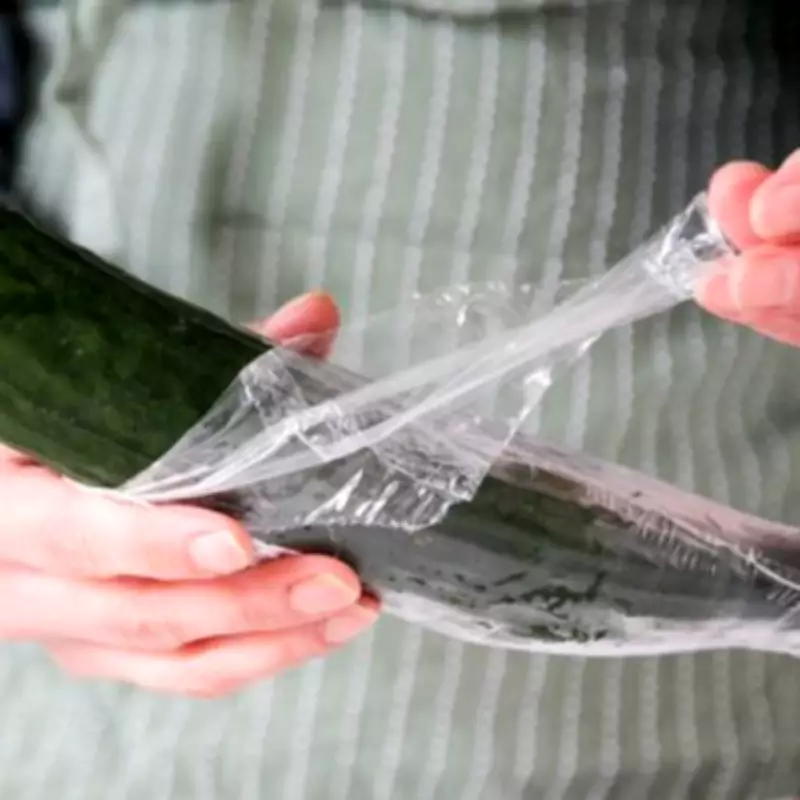
According to chef and author Jessica Gavin, the plastic covering around cucumbers serves multiple essential functions. In a video shared on social media, she explained that the wrapping helps protect the delicate cucumbers from bruises and damage during transit from farms to stores. Additionally, it extends the shelf life by maintaining optimal moisture levels, preventing the vegetables from drying out too quickly. The plastic also acts as a hygiene barrier, safeguarding the cucumbers from external contaminants that could affect their quality and safety.

Consumer Perspectives and Theories
In online forums like Mumsnet, users offered various theories to explain the packaging disparity. One person suggested that it might be because people typically use a whole courgette at once and often buy more than one, whereas cucumbers are often consumed in portions over time, necessitating longer preservation. Another commenter agreed, stating that the plastic wrapping on cucumbers is specifically designed to preserve them in decent condition for longer, as most people do not use an entire cucumber in one go. In contrast, courgettes tend to be purchased for immediate use in meals.
Some users shared personal experiences, noting that cut cucumbers without wrapping tend to shrivel up quickly, a problem they have not encountered with courgettes. Others observed that cucumbers discolour faster once removed from the plastic, though they still remain edible, just less visually appealing.
Environmental Concerns and Consumer Reactions
Despite the practical reasons for plastic wrapping, some consumers have adopted a firm stance against it, insisting that such packaging should be banned. They argue that plastic waste is unnecessary and harmful to the environment. One user expressed frustration, stating that they immediately remove and discard the plastic when buying cucumbers, storing them openly in the fridge even after cutting. They believe that if the end becomes dry or shrivelled, it can simply be cut off, and they refuse to buy pre-packed produce whenever possible to reduce plastic use.
Another shopper questioned the effectiveness of the plastic, wondering if it truly extends shelf life or if it primarily benefits supermarket logistics. They shared that they have started removing the plastic before refrigerating cucumbers, as they found the vegetables seemed to rot faster when left wrapped, prompting a reevaluation of common practices.
This debate underscores a broader conversation about supermarket packaging, balancing practicality with environmental impact. As consumers become more aware of sustainability issues, such discussions are likely to continue, influencing both shopping habits and industry standards.