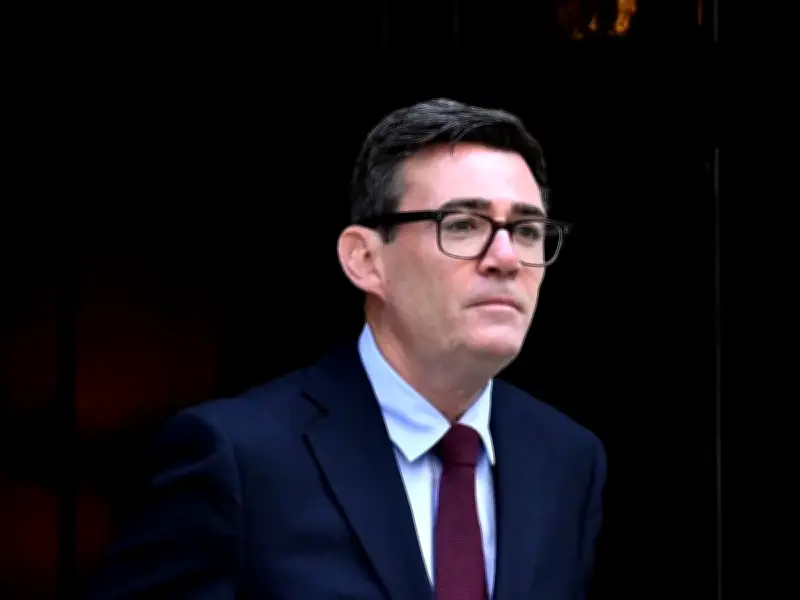
From October 1 2026, VAT will be removed from household electricity bills, which could save households an average of £45 per year, according to the government. The move was announced in July, a day after Mr Burnham became Prime Minister.
How the VAT cut works
Currently, suppliers add up the amount of electricity used in a given period, along with your daily electricity standing charge, and apply 5% VAT to that part of the bill. Starting next month, this requirement will be removed.
The exact amount you save will depend on the price of electricity your supplier sets, and how much you use.
Reason for the change
Announcing the VAT cut at the time, the Prime Minister said: "I said I wanted to give people breathing space, and that’s what I’m announcing on my second day as Prime Minister."
"We’re taking immediate action to cut taxes on energy bills, put more money in people’s pockets and bring back hope."
The move has been introduced to try to limit the impact of the after regulator Ofgem raised its energy price cap by 4% to a three-year high.
Price cap rise and funding
Ofgem's energy price cap will also rise in October. The regulator said the price cap will rise by £60 a year to £1,723 for the average household using both electricity and gas if this level were sustained for a year.
This increase reflected higher wholesale gas prices as a result of the ongoing conflict in the Middle East, with volatile global markets remaining the dominant driver of price changes.
Martin Lewis, founder of MoneySavingExpert said the VAT cut would have little impact. "This is a good totemic step and very welcomed," he said. "Yet in practice people won’t feel much benefit."
The Government said the VAT cut will be funded in part by scrapping Sir Keir’s digital ID project, which had been estimated to cost around £600 million a year over three years. The cut has been funded for the 2026 to 2027 financial year.
Helen Miller, director of economic think tank the Institute for Fiscal Studies, said she was "disappointed" by a policy which creates more complexity in the tax system and will be "hard to undo" after a year.
"Government think they have found funding for this year – but only by reallocating savings that haven’t yet been made," she said.
"If the Government can’t add 5% VAT back onto bills next year, how will they pay for it next year and the year after?"