Why Some UK Pubs Are Banning Children Amid Safety and Trade Concerns
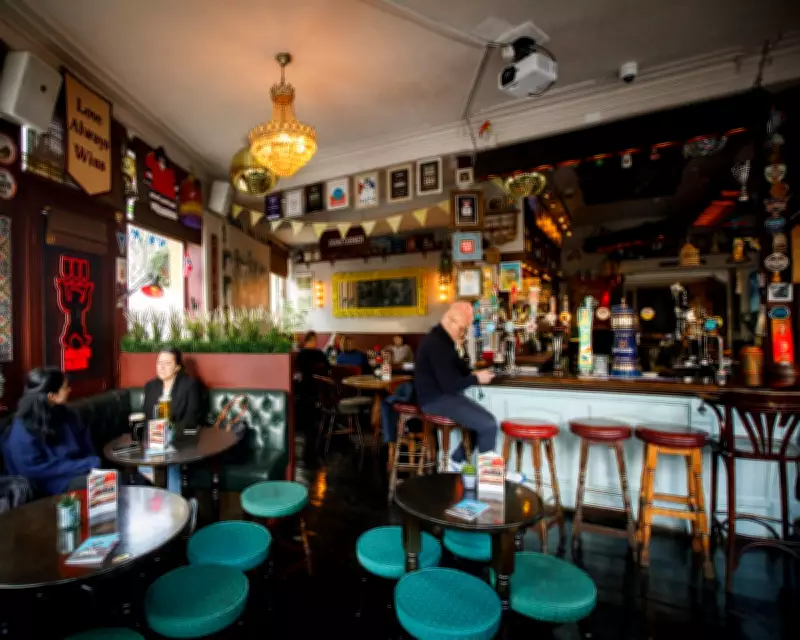
In the heart of Hackney, east London, the Kenton pub has become a focal point in a growing trend among UK landlords. Egil Johansen, the landlord with 17 years of experience, recounts harrowing incidents that led to his decision to ban children entirely. "It was like the wild west," he says, describing a three-year-old who fell down a cellar hatch while parents sat unaware, and a five-year-old who collided with a staff member, shattering glasses. Johansen emphasizes his legal duty to ensure safety, stating, "If parents let their children run riot, the only answer is to not allow them in at all."
The Rising Tide of Child Bans in Pubs
Johansen's move is not isolated. Across England, pubs are increasingly opting to exclude children, driven by concerns over unruly behaviour, safety hazards, and lost revenue. After an interim ban after 5pm failed, Johansen implemented a full prohibition, noting that other customers were leaving due to disruptive environments. "I'm a publican; I'm a people-person," he reflects sadly. "It gives me no joy to ban anyone, but it's just not safe."
This shift has sparked a heated debate, with some landlords welcoming it as a return to traditional pub atmospheres, while others, like Lee Jones of the Brewers Arms in West Malvern, Worcestershire, advocate for inclusivity. "We're dog-friendly, child-friendly, adult-friendly," Jones asserts. "Pubs are for the community, and I don't see bans in the spirit of what we're here for." However, he acknowledges that his customers rarely require intervention, contrasting sharply with more challenging scenarios elsewhere.

Financial and Operational Pressures
Beyond safety, financial considerations are pushing landlords toward child bans. Stephen Boyd of the Alma in south London describes how families with children often demanded extensive customizations for kids' meals, slowing service and frustrating adult patrons. "Children were beginning to rule the roost," he says, noting that screaming or running children could dictate the pub's entire atmosphere. After banning children, Boyd reports a dramatic improvement: "All the stress just disappeared overnight. Staff retention is up. Takings have doubled."
Similarly, Mandy Keefe of the Wheel Inn in Ashford cites economic viability as a key factor. "If a third of my customers were children eating from a reduced-rate menu and not drinking alcohol, that wouldn't be financially sustainable," she explains, despite criticism from some who argue she's losing business.
Community Backlash and Cultural Divides
The decision to ban children has not been without controversy. Boyd faced online hate from individuals who had never visited his pub, accusing him of moral wrongdoing. Tom Stainer, chief executive of the Campaign for Real Ale, acknowledges the sensitivity of the issue, stating, "This topic can certainly be a very live one." While he prefers pubs to welcome all, he stresses parental responsibility: "They're the ones responsible for making sure that their children behave."
As pubs navigate these challenges, there is no uniform approach, with decisions made on a case-by-case basis. Johansen's experience underscores how a single incident, like a child behind the bar, can force a definitive resolution. The debate continues, highlighting tensions between safety, profitability, and community values in the evolving landscape of British pubs.