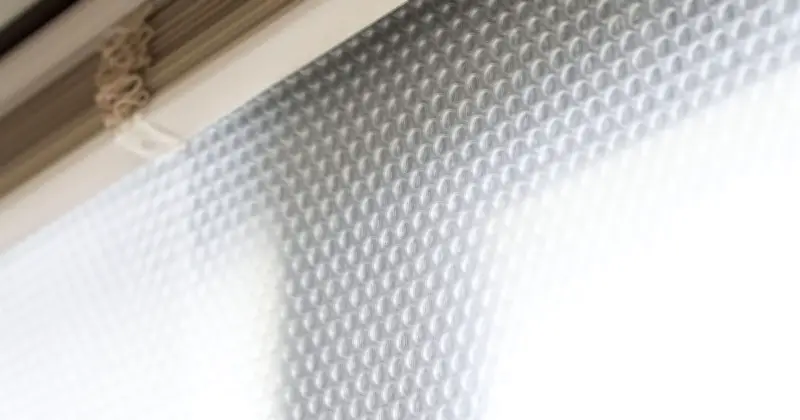
Households across the UK are being urged to use everyday parcel packaging to save money as wet and windy autumn weather brings dropping temperatures. With household bills set to climb again, small steps taken early in the season can help keep living spaces warmer for longer.
Why bubble wrap works
Windows and external frames are among the primary culprits for heat escaping from the home, particularly in older properties or houses fitted with single glazing. While long-term solutions such as professional secondary glazing or thick thermal curtains are effective, energy specialists have noted that everyday packaging materials offer a cheaper alternative.
Sophie Burr from the charity National Energy Action pointed to bubble wrap as a practical, low-cost option for anyone looking to insulate their glass panes on a tight budget. The tiny pockets of trapped air within the material act as an insulating buffer against the cold glass, slowing heat transfer to the chilly outdoors while still allowing natural daylight to brighten the room.
How to apply it
Applying the wrap takes only a few moments and avoids damaging window frames. Homeowners only need to wipe down the glass, spritz a light mist of water across the pane, and press the flat side of the bubble wrap firmly against it. The water creates surface tension that holds the plastic securely without the need for adhesive tape or glue, and the edges can easily be trimmed to size with a pair of scissors.
The hack forms part of a wider effort to combat drafts before the colder winter months set in. Consumer organisation Which? recommends that households also check around doors and baseboards for unwanted airflow, using simple solutions like homemade draft excluders made from old towels or tights, and installing foam strips or chimney draft seals where appropriate.
Radiator efficiency and bill forecasts
Radiator efficiency is another key factor highlighted by specialists. Ms Burr told the BBC that around 35% of the heat produced by radiators can be lost directly through exterior walls, suggesting that households place dedicated radiator foil—or even standard kitchen foil—behind units to reflect warmth back into living spaces.
The push for affordable insulation measures comes as consultancy Cornwall Insight forecasts that typical annual energy bills could jump by £276 starting in January. The predicted 16% increase would mark the steepest single jump in four years, intensifying pressure on households nationwide.
Emily Jeremy, a project manager at Manchester South Central Foodbank, warned that rising prices are particularly concerning for families with young children, elderly residents and individuals with underlying medical conditions, with official figures showing that 9.4% of English households were living in fuel poverty last year.
Despite the urge to seal every gap, consumer champions warn against going too far. Emily Seymour, energy editor at Which?, stressed that houses must maintain adequate airflow to stay healthy, cautioning that extractor fans and built-in trickle vents should never be blocked. Without proper air circulation, trapped humidity quickly leads to condensation and damp, undoing the benefits of keeping the cold outside.