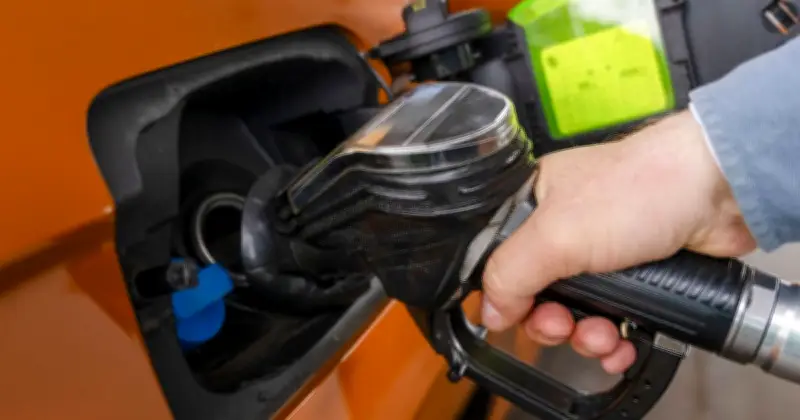
Consumer group Which? is urging UK drivers not to assume that supermarkets always offer the cheapest fuel. With petrol prices fluctuating over the past year, it is worth taking their guidance into account.
Which? Advises Shopping Around
Earlier this year, Which? wrote: "Even though fuel prices have fallen significantly in recent times, larger supermarket chains still generally offer the lowest forecourt prices. In some areas, though, independent petrol stations can undercut larger firms." The consumer group recommends checking which petrol stations are cheapest locally before filling up. Websites such as PetrolPrices.com can help, and some sat nav apps, such as Waze, display live prices for stations nearby and on your route.
Tips for Fuel Efficiency
Before leaving the station, experts also recommend that drivers check their tyres, as proper tyre pressure can help improve fuel efficiency. Which? advises: "Make sure your tyres are at the correct pressure as stated in the car's handbook (or often on a sticker on the driver's door pillar). Underinflated tyres develop more rolling resistance than correctly inflated tyres, so you'll have to work your engine slightly harder when there isn't enough air in them." An incorrectly inflated tyre will also affect braking performance and is likely to wear prematurely or unevenly, meaning you'll need to change them more often.
How Petrol Prices Are Determined
According to motoring experts at RAC, the price drivers pay for petrol and diesel is primarily determined by wholesale fuel prices – the cost retailers pay before fuel reaches the pump – which are affected by: the global price of crude oil (governed by supply and demand, oil refinery production and capacity, and the pound to dollar exchange rate, as refined fuel is sold in US dollars per metric ton), distribution costs, retailer margin, fuel duty charged by the government, and VAT charged at the end of every forecourt fuel transaction. RAC add: "While some of these stay largely static – such as VAT – others such as the oil price and dollar to sterling exchange rate can be very volatile. This explains why prices rise and fall. A combination of high oil prices and a weak pound leads to the highest pump prices."