
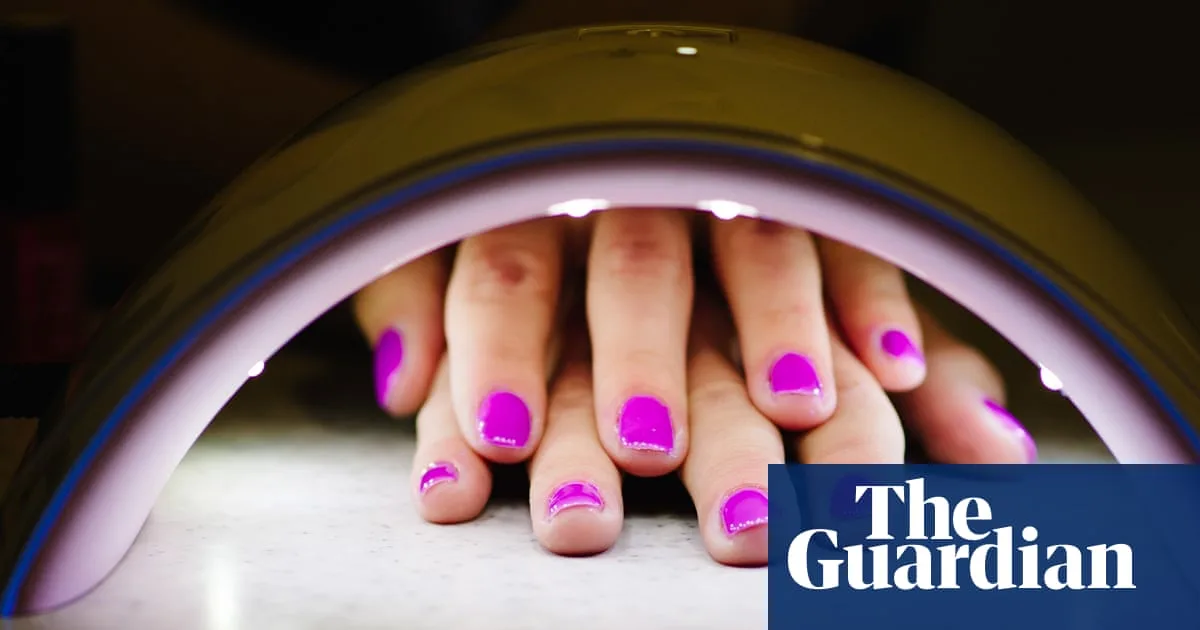
The UK is expected to ban trimethylbenzoyl diphenylphosphine oxide (TPO), a photoinitiator used in gel nail polishes to harden under UV light, following a similar ban by the European Union last month. The move comes after animal studies suggested TPO could harm fertility or a developing foetus, though experts debate the risk to humans from normal use.
TPO is the latest chemical in gel nail products to raise safety concerns. In 2021, Hema, another common ingredient, was restricted in DIY nail kits after a surge in allergic contact dermatitis cases. Allergies to acrylates like Hema can cause rashes, blisters, and swelling, and may lead to cross-reactions with dental fillings, medical adhesives, and other products.
Nail salon workers face the highest exposure risks. Research by Prof Runzeng Liu at Shandong University found photoinitiator levels in salon dust about 100 times higher than typical indoor environments, and on technicians' hands roughly 200 times higher than the general population. Liu warns of potential 'cocktail effects' from multiple chemicals.
However, some experts question the necessity of the ban. Dr Kelly Dobos, a cosmetic chemist, notes that toxic effects in animal studies occurred only at high oral doses, not representative of normal use. She emphasises that safer alternatives to TPO exist and that salons following best practices—proper curing, ventilation, and trained staff—can minimise risks.
Enforcement remains a challenge. Jan Jordens of Vito, a Belgian research organisation, says labels on raw materials, especially those imported from outside Europe, often do not match actual contents. Vito has developed a test to detect TPO and Hema, and is increasingly contacted by companies seeking to verify their supplies.




