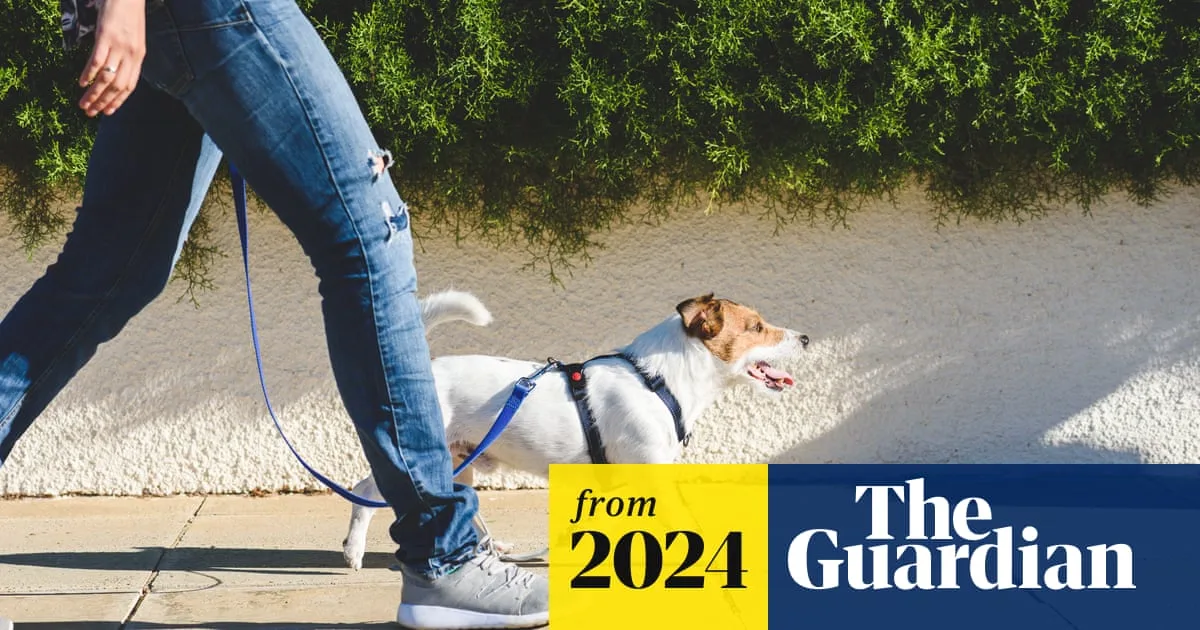
Researchers are investigating drugs that could extend the lifespan of dogs, with potential benefits for human longevity. A US biotech start-up, Loyal, plans to bring a daily pill to market early next year that could give dogs at least one extra year of healthy life. The pill, LOY-002, aims to blunt metabolic changes associated with ageing by reducing frailty and curbing increases in insulin.
Loyal has raised $125m (£100m) from investors who have avoided human longevity trials due to their lengthy duration. Celine Halioua, founder and chief executive of Loyal, believes the work will benefit humans, as dogs share similar age-related diseases and environments with their owners, unlike laboratory mice.
Meanwhile, the Dog Aging Project, a large-scale study of dogs in natural environments, is testing low doses of rapamycin, an immunosuppressant drug. The project suggests that rapamycin could improve heart and cognitive functions in dogs, potentially adding three years of healthy life. Co-director Daniel Promislow says the study is equivalent to a 40-year human trial.

Kate Creevy, co-founder and chief veterinary officer, notes that the research could have translational impacts for women, particularly regarding menopause and hysterectomies. Prof Tom Rando of the University of California describes the work as fascinating, adding that it contributes to understanding human longevity.