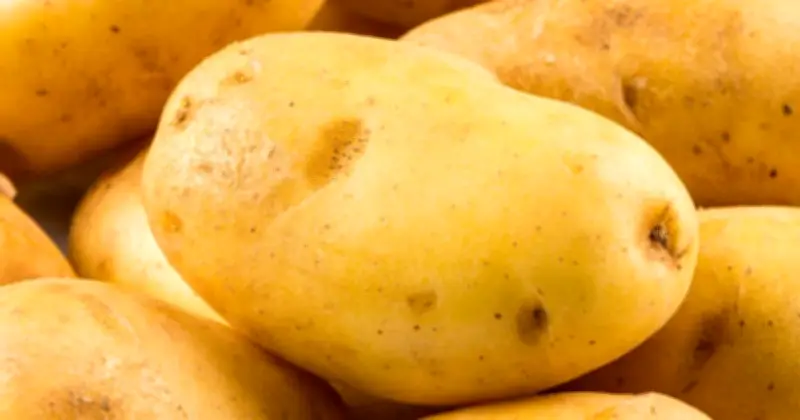
Tesco has shared advice on how to store potatoes, with one simple method keeping them fresh for "up to six months" without sprouting.
Potatoes are a common kitchen staple, valued for their versatility in dishes such as baked potatoes, mash, chips and roast potatoes. Many people store them in a cupboard and later find they have sprouted. The reason for spoilage is storage: potatoes need to be kept in a cool, dark, dry, well-ventilated environment. Getting all four elements right can keep potatoes "nearly as fresh as the day you bought them, for up to six months", according to Tesco.
Why potatoes sprout and how to prevent it
Potatoes should also be "stored away from other fresh produce", particularly onions, as they release ethylene gas. This gas causes fruits and vegetables to ripen one another too quickly, so potatoes should be stored separately to prevent this.
To stop sprouting, Tesco recommends a process called curing, which "extends their lifespan for up to six months". The first step is to select bulky potatoes with a thick skin, such as brown potatoes, ensuring they have no large puncture marks, soft spots, mould, blemishes or shovel damage.
The curing process step by step
Next, remove dirt by brushing it off rather than washing the potatoes, as washing adds moisture that can encourage sprouting. Then place the potatoes on a sheet of newspaper in a dark place, making sure they do not touch so air can circulate between them. Leave them there for a couple of weeks.
After curing, store the potatoes in a well-ventilated, cool, dry place below 10C. Check every few weeks to ensure there are no sprouted or spoilt potatoes in the batch, as they can ruin the rest.
Signs that potatoes have gone bad
There are three signs that potatoes have spoiled. First, if they have turned green: exposure to light causes a green colour, and this green area contains harmful toxins and should not be eaten. As long as all green parts are carefully removed before cooking, the rest of the potato is safe to enjoy.
Second, when they soften: sagging skin, a mushy or soft feel, or dampness indicate the potatoes are past their best and should be thrown out. Third, a bad smell: a freshly harvested potato carries an earthy aroma, while a spoilt potato develops an unpleasant mouldy and musty odour.