Spicy Food Consumption Linked to Increased Preference for Vibrant Colours
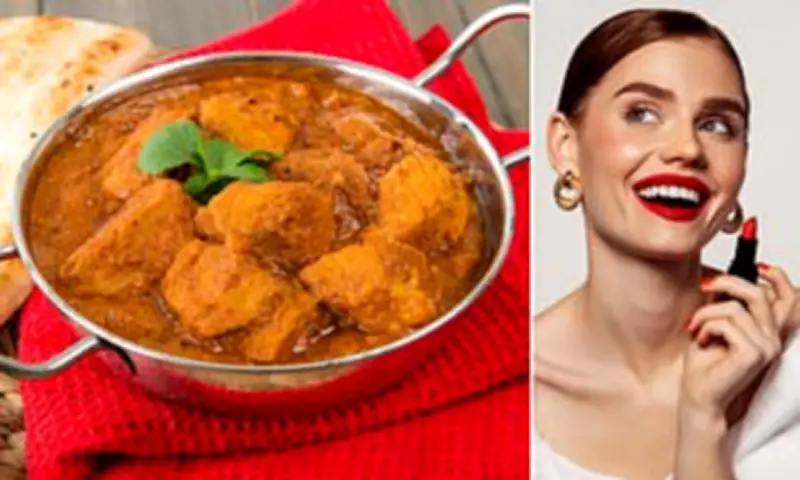
Have you ever noticed someone wearing a strikingly bright shirt or bold red lipstick? According to groundbreaking scientific research, there is a strong chance that individual enjoys a hot curry. A new study reveals that eating spicy food significantly increases people's desire to purchase colourful goods, with consumers becoming nearly one-third more likely to favour vibrant items after a spicy meal.
The Science Behind 'Benign Masochism'
The phenomenon, termed 'benign masochism' by researchers, explains this intriguing connection. When a person consumes spicy food, the brain initially perceives the heat as a threat, triggering a defensive physiological response such as sweating or an increased heart rate. However, once the individual realises they can cope with or even enjoy the discomfort, they experience a wave of positive, invigorating excitement.
This elevated emotional state then makes them more inclined to appreciate and seek out bright colours that align with their heightened mood. The study, published in the Journal of Retailing and Consumer Services, marks the first academic exploration into how spicy food influences mood and colour preferences, establishing a direct link between capsaicin consumption and a heightened affinity for vivid products.

Experimental Evidence and Findings
Researchers from Nankai University in China conducted four meticulous experiments to validate their hypothesis. Participants were given foods spiked with capsaicin—the heat-inducing compound found in chili peppers—while control groups consumed non-spicy alternatives like peanut butter. The results were clear and consistent.
- Excitement levels surged exclusively after spicy food consumption.
- This increased arousal directly boosted participants' propensity to make purchases.
- Preference for colourful items rose by up to 30% following the spicy meals.
The authors elaborated: 'Humans possess a unique ability to derive pleasure from experiences that are initially perceived by the body as threats. Heightened excitement arousal resulting from consuming spicy food increases preference for vivid colours as they are motivated to seek visual cues that match their elevated internal state.'
Strategic Implications for Retailers
This research carries significant practical implications for the retail sector, particularly for shops located near restaurants that serve spicy cuisine. Capitalising on consumers' elevated excitement, retailers can strategically display products such as vibrant clothing, brightly coloured electronics, or vivid cosmetics in dining areas or adjacent storefronts.
The study suggests that this targeted merchandising approach could effectively harness the psychological shift induced by spicy food, potentially increasing sales and enhancing customer engagement. By aligning product presentation with the physiological and emotional effects of capsaicin, businesses can create a more compelling shopping environment that resonates with consumers' transient yet powerful preferences.