The Hidden Costs of Smart Appliances: A Consumer's Tale of Woe
In an age where technology promises to simplify our lives, one consumer's quest for a simple oven with a knob has spiraled into a world of unexpected pain. This personal account sheds light on the growing frustrations many face with modern smart appliances, revealing a landscape where convenience often comes at a steep price.
The Promise of Simplicity vs. the Reality of Complexity
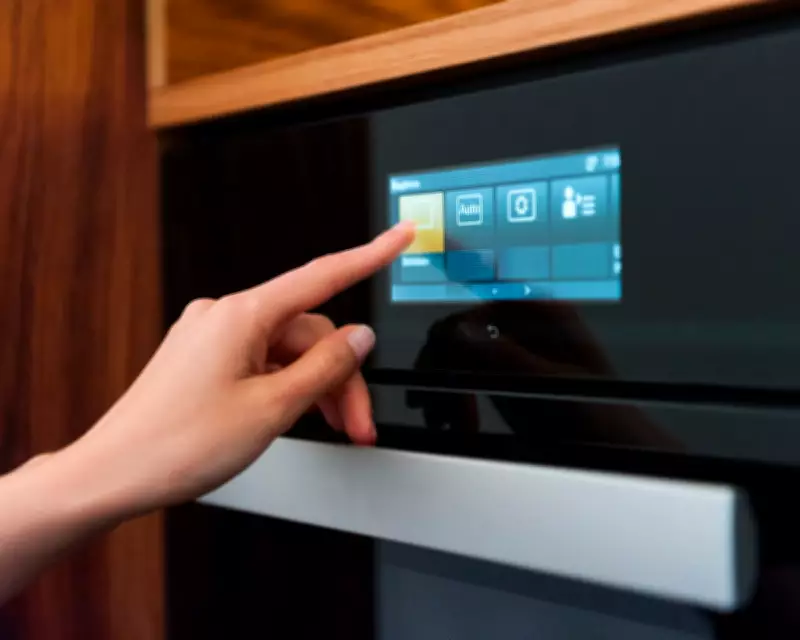
When the author set out to purchase a new oven, their goal was straightforward: find a model with a traditional knob for easy temperature control. Instead, they were thrust into a market dominated by smart ovens equipped with touchscreens, Wi-Fi connectivity, and complex apps. What seemed like an upgrade quickly turned into a source of daily frustration.
The oven's interface proved unintuitive, with menus buried under layers of digital options. Simple tasks like preheating became cumbersome, requiring multiple taps and swipes. This highlights a broader issue in the appliance industry, where manufacturers prioritize flashy features over user-friendly design.

Privacy Concerns and Data Collection
Beyond usability, the smart oven introduced alarming privacy concerns. To function fully, it required connection to a home network and the installation of a companion app. The terms of service revealed extensive data collection practices, including tracking usage patterns, cooking habits, and even voice commands if enabled.
This data is often shared with third parties for marketing or analytics, raising questions about consumer consent and transparency. In an era where digital privacy is increasingly under threat, such appliances add another layer of vulnerability to everyday life.
Reliability Issues and Technical Glitches
The woes didn't end with complexity and privacy. The smart oven was prone to technical glitches, from software crashes that reset cooking times to connectivity drops that disabled remote features. When issues arose, customer support was slow and unhelpful, often blaming user error or network problems.
This unreliability contrasts sharply with the durability of older, knob-based ovens, which could last decades with minimal maintenance. It underscores a trend toward planned obsolescence, where appliances are designed with shorter lifespans to drive repeat purchases.
The Broader Impact on Consumers and the Market
This story is not isolated; it reflects a wider consumer backlash against overly complicated smart devices. Many users report similar experiences with other appliances, such as refrigerators, washing machines, and thermostats, where basic functions are overshadowed by unnecessary tech.
- Increased costs: Smart appliances often come with premium price tags, yet fail to deliver proportional value.
- Environmental concerns: Shorter lifespans contribute to electronic waste, exacerbating sustainability issues.
- Market pressure: Consumers are increasingly demanding simpler, more reliable options, pushing some brands to reintroduce analog features.
As the author's painful journey shows, the push for innovation must be balanced with practicality and respect for user needs. Until then, the dream of a simple oven with a knob remains elusive for many.