The Rise of the 'Slop Bowl': How Pick-Your-Own Lunch Became a Working Staple
Few things have killed the leisurely lunch like capitalism, but to witness this phenomenon in action, look no further than the food courts of London's financial hub, Canary Wharf. Here, amidst a warren of Pret a Manger and Itsu outlets, Deliveroo riders and time-pressed professionals hustle, often clutching the same item: a large, customisable bowl of mixed dishes, colloquially known as a 'slop bowl'.
What Exactly Is a Slop Bowl?
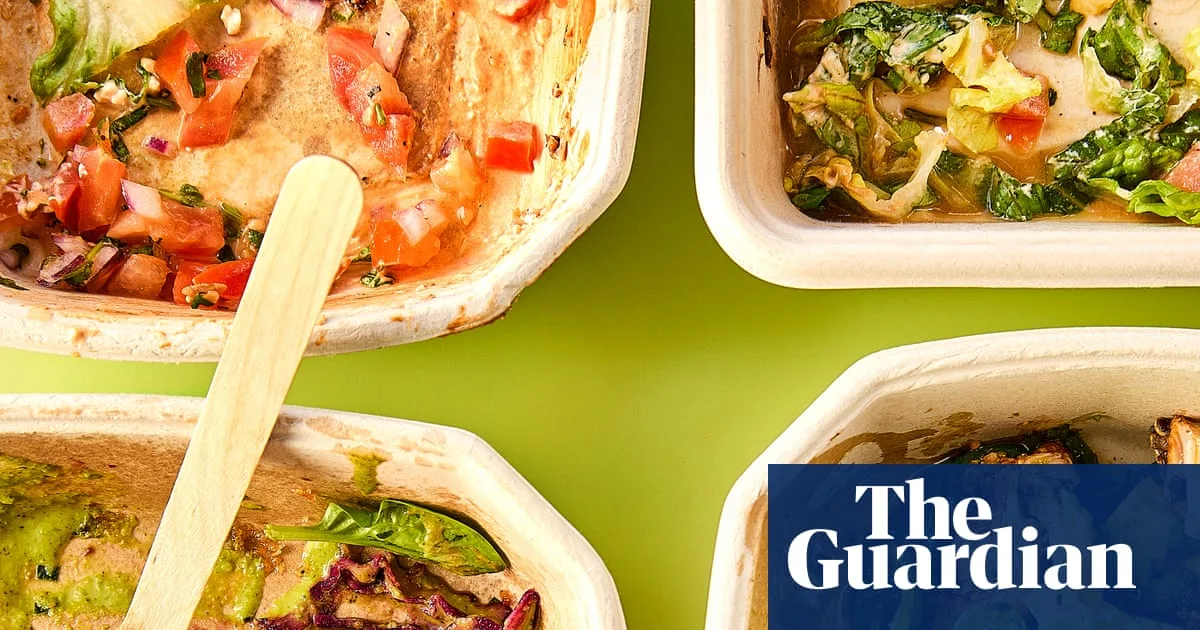
A slop bowl refers to a mishmash of pick-your-own dishes assembled and sold in fast-casual restaurants, becoming the de facto working lunch for many. The contents vary, typically featuring Asian and eastern Mediterranean influences, but they are always served in a bowl and, by the time they reach your desk, often resemble a homogenised mix. Prices range from £7 to £25, depending on additions, making them as customisable as an Ikea shelving unit. In an era where a salad bowl from Pret can cost £12, this might not seem excessive.
At establishments like Atis, a small chain of 'bowl restaurants' that opened last year, the process begins with leaves or padding spooned into a cardboard bowl, followed by rice or grains. Upmarket chains such as Farmer J might add grilled hispi cabbage, while The Salad Project offers roast sweet potato. Protein options include chargrilled salmon or marinated tofu, though servings are often meagre. Texture is key, so bowls are finished with crunchy sprinkles, pickled items like cucumber, and optional dressings before being whisked away to desks.
The Cultural and Linguistic Shift
Despite its unappetising name, 'slop' has gained traction, with Merriam-Webster declaring it the word of the year in December. This term taps into both AI-generated online content and the sound of food hitting a bowl, evoking baby food for adults. It serves as a culinary avatar for modern times, as noted by an executive assistant at Farmer J in Marylebone: 'I usually get lunch at Pret, or sushi. But once you've had J, it's hard to go back.'
British eateries like Farmer J, Atis, Build a Bowl, and The Salad Project avoid the term 'slop', but these bowls have trickled down from finance professionals to influencers and even supermarkets. In January, Ocado launched M&S 'nutrient dense' bowls at £5.95, making slop accessible to the masses.
Health Trends and Historical Roots
Slop bowls are largely driven by health and wellness trends, similar to the rise of matcha or avocado toast. Alex Ruani, a researcher in health and diet misinformation at UCL, identifies plant-forward eating and reducing ultra-processed food intake as key factors. She notes, 'I am a working mum. I don't have time to rinse and cook beans.'
Dr Annie Gray, a food historian, points out that this trend repackages older practices. 'A pick-your-own approach to various dishes from varying cultures which all slop together fails to reflect the cuisine of any given country. It's fusion cooking from the 1990s – the turbo version.' She traces the genesis to medieval potage or mutton stew, suggesting gen Z has modernised it with a health twist.
Post-Pandemic Pragmatism and Social Dynamics
The pandemic accelerated this trend, with Deliveroo becoming a household verb and the hospitality industry struggling. Gray observes, 'Slop bowls are a pragmatic way to serve food, but it's also food for an industry in dire straits, an example of how cooking has become deskilled. The slop bowl presents as meeting all your needs, giving you choice. But it's just the illusion of choice.'
Dr Eleanor Barnett, another food historian, notes that similar concepts date back to human civilisation, with medieval cook shops serving pre-made food in pie crusts as makeshift bowls. However, modern slop bowls are designed for solitary consumption with laptops, lacking the communal aspect of historical meals. Ruani adds, 'The working lunch used to be a communal experience. Slop bowls today are inherently designed to be eaten with your laptop as a plus-one. They are messy. They are noisy.'
Status, Appetites, and Nutritional Realities
Carrying a slop bowl can signal status, akin to a designer tote, with peer pressure driving higher spending. Ruani explains, 'You walk in, you get the base, you begin adding ingredients and before you know it you've dropped almost £20 – and I believe the pressure to look healthy in front of peers forces you to spend more. It's social contagion.'
The rise of GLP1 drugs, which suppress appetite, also plays a role, as these bowls are marketed as nutrient-dense for small appetites. Yet, many are light on substance; a protein-free bowl at Atis cost £7, weighed around 200g, and contained less than 500 calories. Slop bowls thus reflect today's diet culture, blending convenience with perceived health benefits.
As Dr Camilla Stokholm, a GP, notes, 'If yours contains legumes, wholegrains, seeds, avocado, extra-virgin olive oil, and something fermented, then you could do a lot worse.' In the end, whether blamed on pandemic shifts or financial pressures, the slop bowl has cemented itself as a defining feature of the modern working lunch.