

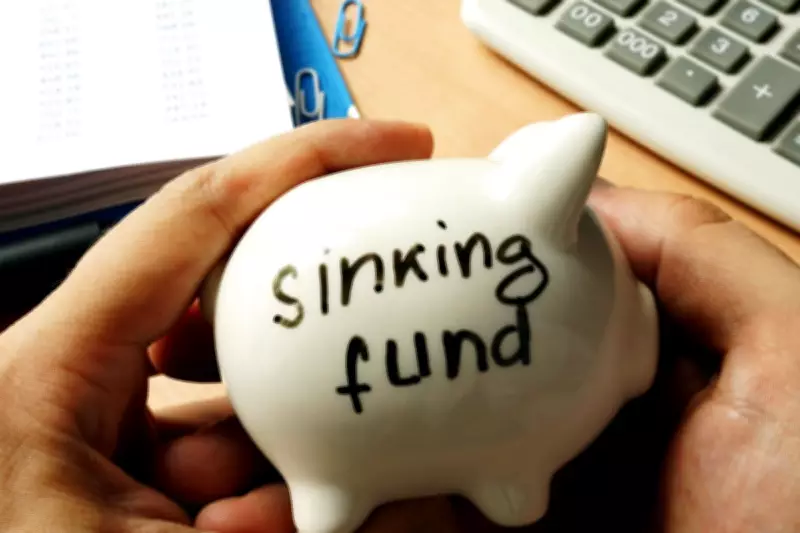
Sinking funds are a savings strategy gaining popularity across the UK for budgeting effectively and gaining financial control. Unlike emergency funds for unexpected costs, sinking funds are designed for predictable expenses. Veronika Lovett, CEO of Kroo Bank, explains what they are, their benefits, and how to start.
What is a sinking fund?
Lovett describes sinking funds as planning for a "when" event, not an "if" event. It involves setting aside money for identifiable, expected bills to strategically manage upcoming costs without relying on expensive credit cards or short-term loans.
What can you use them for?
Sinking funds can cover maintenance costs like home repairs, social events such as weddings, trips, or Christmas, and annual payments for leasehold property owners.

What are the benefits?
Sinking funds reduce economic anxiety by creating a habit of saving small amounts regularly, avoiding financial shocks. They are flexible, allowing you to access money if circumstances change, without locking it away.
How to get started
Utilise pot functions on online banking apps
Use banking apps to set up pots for your goals. Lovett says these tools are intuitive and provide insights on your money, helping you see allocations at a glance.
Name each sinking fund
Be specific with names like "holiday," "Christmas," or "car MOT" to stay motivated and clear about each goal.
Plan ahead
Estimate the cost of each event, then work backwards to determine how many months you need to save. Your target can cover 50-75% of the cost to alleviate the burden.
Put money into the pots consistently
Consistency varies by individual—monthly for salaried workers or more frequently for contractors. Regular contributions build the fund over time.
Check on your pots
Regularly review your banking app to monitor pot balances and overall finances. Watching pots grow week by week can be motivating.






