

Every year, millions of plastic sponges, utensils, and other household items are discarded, releasing microplastics into the environment. Simple swaps can make a big difference. Here are some expert-recommended alternatives for a plastic-free home.
Kitchen
Laminate Countertops
Laminate countertops shed microplastics over time. Replace them with hardwearing, heat-resistant stone or marble. These materials are durable and reduce plastic pollution.
Plastic Sponges
Up to 600 million plastic sponges are thrown away in Britain each year. Most are made from polyurethane, a petroleum-based material that doesn't readily break down. Each use releases thousands of microplastics into water systems, eventually reaching rivers, oceans, and drinking water. Swap plastic sponges for compostable options like dish brushes with plant-based bristles and wooden handles, or coconut-fibre scourers.

Plastic Utensils
Many kitchen utensils are made from petroleum-based plastics such as nylon and polypropylene. When exposed to heat, they shed microplastics that enter food. Scratches increase microplastic release and bacteria growth. Choose utensils made from sustainably sourced wood like bamboo or beech, or stainless steel, which is fully recyclable and virtually indestructible. Retailers like Procook and Ikea offer wide selections.
Clingfilm
Traditional clingfilm is not biodegradable and breaks down into microplastics over hundreds of years. When heated, it releases compounds like hydrogen chloride and plasticisers that can transfer into food and irritate the respiratory system. Even 'microwave safe' labels only refer to heat resistance, not chemical safety. Replace clingfilm with beeswax wraps, which are breathable, naturally antibacterial, and can be moulded around food.
Bedroom
Synthetic Bedding and Bedlinen
Avoid bedlinen made from polyester, nylon, or fleece, which are plastics derived from fossil fuels. They shed microplastics, especially during washing. A 6kg laundry load can release over 700,000 microplastic fibres. These enter the food chain and may affect reproductive health. Choose natural alternatives like linen, organic cotton, wool, feather, or down, which are biodegradable and breathable.
Memory Foam Mattress Toppers
Many mattress toppers are made from polyurethane foam and release volatile organic compounds (VOCs) like benzene, which can irritate eyes, nose, and throat and cause lung inflammation. They are rarely recyclable and end up in landfills. Look for breathable, moisture-wicking toppers made from natural latex, wool, feather, down, cotton, or bamboo.
Plastic Hangers
An estimated 34 billion plastic hangers are discarded yearly. They can take up to 500 years to break down, releasing harmful chemicals like bisphenol-A (BPA), linked to cancer. Swap plastic hangers for wooden or metal versions, a simple and affordable upgrade.
Bathroom
Plastic Bins and Stools
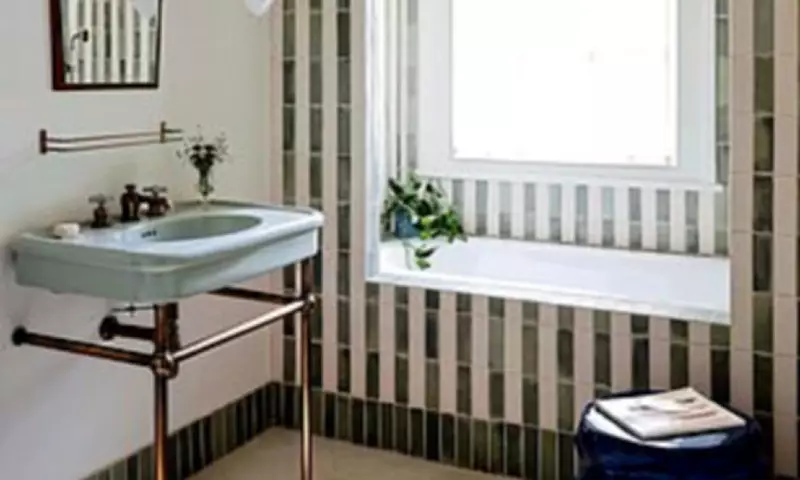
Replace plastic bins and stools with glass or rattan. Rattan is biodegradable and adds a hotel vibe. Stone floors are naturally moisture resistant and more durable than laminate.
Toothpaste Tubes
Most toothpaste tubes are made from plastic and aluminium, making them difficult to recycle. Even 'recyclable' tubes may not be processed by local facilities. Opt for toothpaste in reusable glass jars, or switch to powders, pastes, or tablets in tins.
Toothbrushes
Almost every plastic toothbrush ever made still exists. With replacements every few months, billions are thrown away globally. They are made from polypropylene and nylon, difficult to recycle. Choose biodegradable bamboo toothbrushes with castor bean oil bristles, or electric ones with replaceable heads made from cornstarch and castor oil, like Suri.
Polyester Bath Mats
Polyester bath mats are backed with plastic, prone to mould, and lose grip, leading to frequent replacement. Opt for a wooden bamboo bath mat, which dries quickly and resists mould naturally.






