

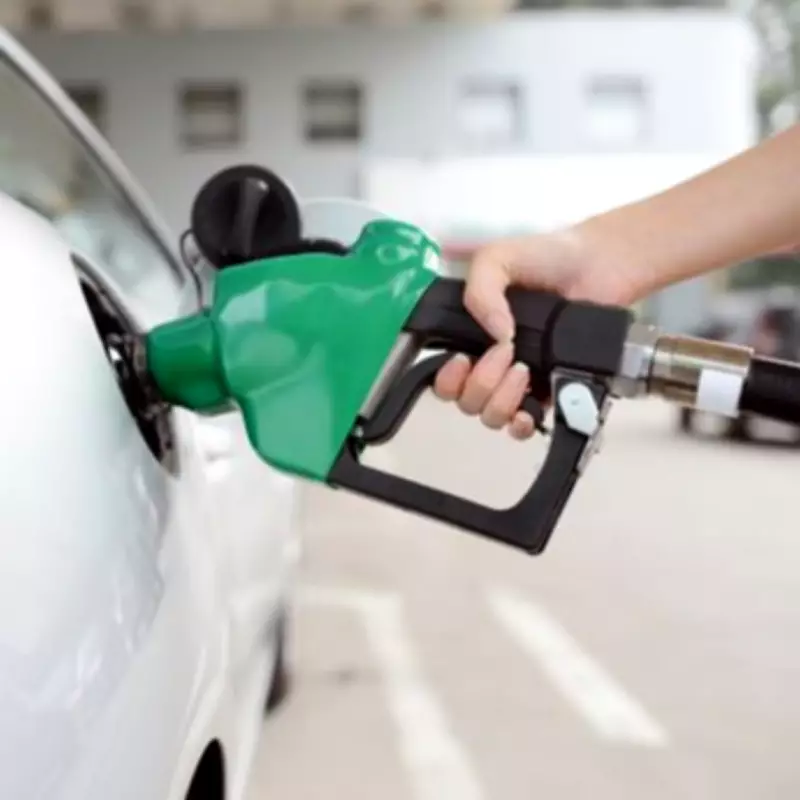
Drivers continue to face elevated fuel prices as the conflict in Iran disrupts global oil supplies, but there are still effective ways to cut costs at the pump. According to the latest data from the RAC, the average price of unleaded petrol stood at 157.22p per litre on Friday, while diesel reached 189.59p per litre. Although these figures have eased slightly from peaks of 158.3p and 191.5p on April 15, they still represent significant increases of 25.5p and 49.2p respectively since the war began on February 28.
The surge in pump prices was triggered by the effective closure of the Strait of Hormuz, a critical chokepoint through which 20% of global petroleum and 20% of liquified natural gas passes. However, the RAC has warned that retail prices are not falling as quickly as wholesale costs would suggest. RAC head of policy Simon Williams commented: “Pump prices aren’t falling at the rate that our analysis of wholesale data indicates they should. The fact the price of oil went back above 100 US dollars on Wednesday – having been below that mark for 10 days – is no doubt cause for concern for retailers. Despite this, the cost of both fuels on the wholesale market is still lower than it has been, particularly so for diesel – so drivers really ought to see some cheaper prices at the forecourts in the coming days.”
How to Improve Your Car’s Fuel Efficiency
In its ultimate guide, the RAC has shared several practical tips to help drivers make their vehicles more fuel-efficient and save money.

1. Service Your Vehicle Regularly
Regular servicing can identify issues that affect fuel efficiency, such as worn spark plugs. It also ensures timely oil and air filter changes, both of which can impact how much fuel your car uses.
2. Check Your Tyre Pressure
Keeping tyres inflated to the recommended pressure is crucial. Underinflated tyres increase rolling resistance, forcing the engine to work harder and consuming more fuel.
3. Watch Your Speed
The harder you accelerate, the more fuel your car burns. Driving slightly below the speed limit rather than at the limit can improve fuel consumption.
4. Accelerate and Brake Gently
Accelerate gradually and shift through the gears smoothly, aiming for the highest gear appropriate for your speed. Brake delicately and avoid last-minute stops to conserve fuel.
5. Drive at a Consistent Speed
Maintaining a constant speed, especially on flat roads like motorways, can boost efficiency. Cruise control can help, but it is less effective on hilly terrain.
6. Clear Out Your Car
Remove unnecessary weight from your boot and roof rack. Extra weight drags down your car and reduces fuel economy.
7. Cut Down on Journeys
Consider walking, cycling, or car-sharing whenever possible. Reducing the number of trips you take is one of the most effective ways to save fuel.
By following these tips, drivers can mitigate the impact of high fuel prices and improve their vehicle’s overall efficiency.






