Five Simple Habits to Cut Energy Costs
With energy bills set to rise, households across the UK are bracing for another increase. While some costs are beyond control, experts say everyday habits and overlooked appliances could be quietly adding to bills without people realising. Understanding which appliances use the most energy and adopting simple habits can make a noticeable difference.
Beware of 'Vampire Devices'
Home expert Nancy Emery from Tap Warehouse urges households to watch out for “vampire devices” – electrical items that continue drawing power even when switched off. According to the Energy Saving Trust, households in Great Britain could save around £45 a year simply by turning appliances fully off standby mode.
Nancy said: “Many of us assume that once an appliance is switched off, it stops using electricity altogether. But some devices can continue drawing power in standby mode, quietly using energy day and night. While the cost of running a single appliance may seem small, multiple devices left plugged in across the home can add up over time.”
Habit 1: Not Unplugging Appliances
Devices such as televisions, game consoles, coffee machines and chargers can continue to draw power even when not in use. Turning off microwaves and air fryers can also help save money and improve safety.
Habit 2: Running the Dishwasher Half-Empty
Nancy said: “Dishwashers are generally more efficient than washing up by hand, but running half-empty cycles uses unnecessary water and electricity. Waiting until the machine is full and using eco settings where available can help reduce waste.” According to the Energy Saving Trust, dishwashers, washing machines and tumble dryers account for around 14% of a typical household energy bill, making efficient use worthwhile.
Habit 3: Not Fixing Dripping Taps
A dripping tap can waste thousands of litres of water annually, especially if hot water is involved. Often the issue is a worn cartridge or washer, costing as little as £5. Nancy added: “If left, a trickling tap can waste around 5,500 litres of water annually, equivalent to roughly three months of daily showers on top of your regular use. That could add around £14-£16 per year to household bills from just one leaking tap.”
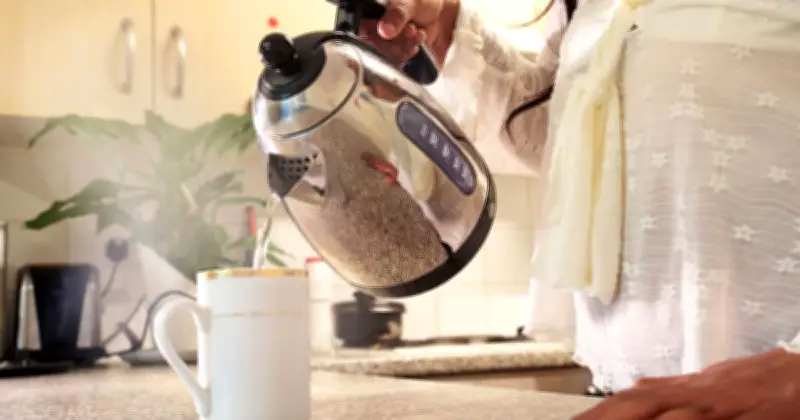
Habit 4: Boiling Too Much Water
Overfilling the kettle is one of the most common energy-wasting habits in UK kitchens. If you overfill by just half a litre a day, that’s around 365 litres of unnecessarily heated water each year.
Habit 5: Not Switching Off Lights
Leaving lights on in unused rooms wastes electricity, especially over long periods. Nancy said: “Even with LED bulbs, unnecessary lighting can add up over time. If a light is needed overnight, consider using a low-energy plug-in night light instead. In fact, the Energy Saving Trust says this can save around £8 a year.”