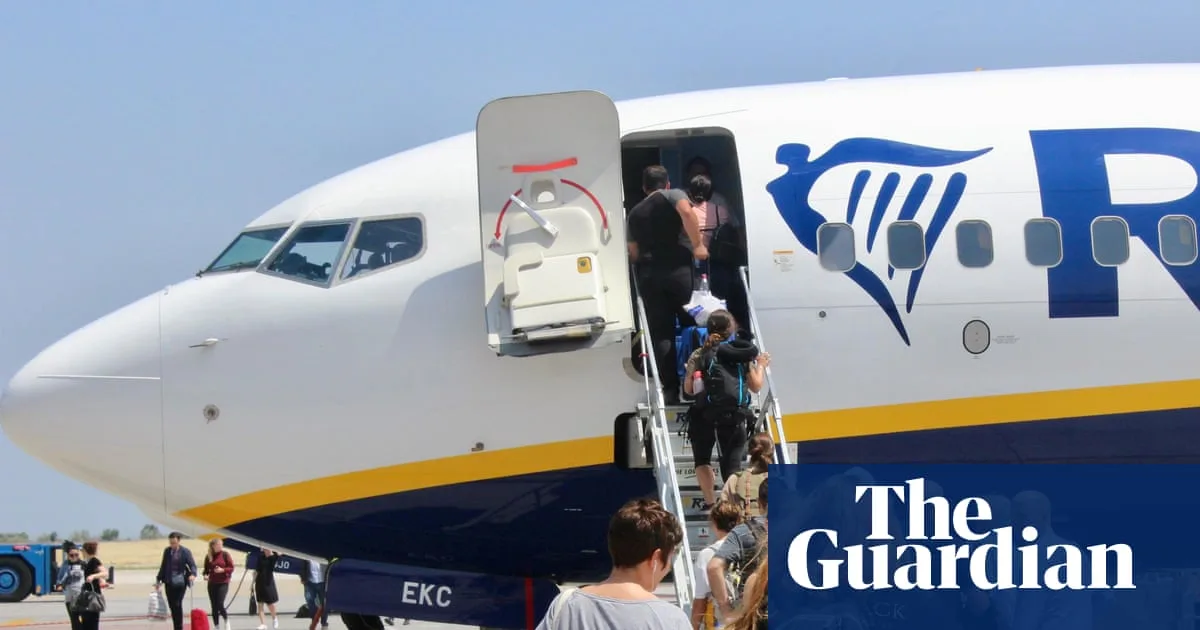
Ryanair has said it has “almost zero concerns” about jet fuel supplies this summer, despite fears of widespread cancellations linked to the Iran war. The budget airline’s chief executive, Michael O’Leary, said Europe had found alternative sources of jet fuel, but persistent consumer uncertainty had led to lower summer bookings, keeping fares down.
“There was a real concern in Europe two months ago. We now have almost zero concerns over fuel supplies in Europe. The challenge remains price,” O’Leary said. The travel industry has been hit by worries about jet fuel supply as shipping through the Strait of Hormuz remains restricted, but Ryanair said Europe is well stocked thanks to shipments from west Africa, Norway and the Americas.
While Ryanair has hedged 80% of its jet fuel requirements to April 2027 at about $67 a barrel, it said unit costs could rise by about 5% if fuel prices remained higher. O’Leary said he did not expect the war in Iran to continue or the Strait of Hormuz to remain closed by next year, but warned that a prolonged conflict could cause airlines with lower hedging to go bust. “If it does continue over those 12 months there will be airline casualties in Europe this winter,” he said.
Ryanair reported a record profit after tax of €2.26bn (£2bn) in its financial year ended in March. However, it suspended guidance for its 2027 financial year, citing potential increases in fuel, environmental taxes and wage bills. The company also flagged that it expected its environmental taxes in the EU to increase by €300m this year to about €1.4bn, “which makes EU air travel even less competitive”.
Neil Sorahan, the Ryanair chief financial officer, said he was “increasingly confident that we will not see any supply shocks this summer”. He added that fares had fallen in recent weeks because of uncertainty around the conflict in the Middle East, with prices expected to fall by a “mid-single digit percentage” in the three months ended in June. The company cut its outlook for fares this summer, with prices now expected to be “broadly flat” on last summer, after a previous forecast of a modest increase.
“Demand is still strong, but people are leaving it longer to book so we do not have the visibility that we normally have for July to September,” Sorahan said. “Closer-in bookings are strong but if people leave it late they could take on higher fares.” Dan Coatsworth, head of markets at AJ Bell, said the market was “too fragile” to raise fares in response to rising costs, as higher inflation continued to squeeze consumer spending.