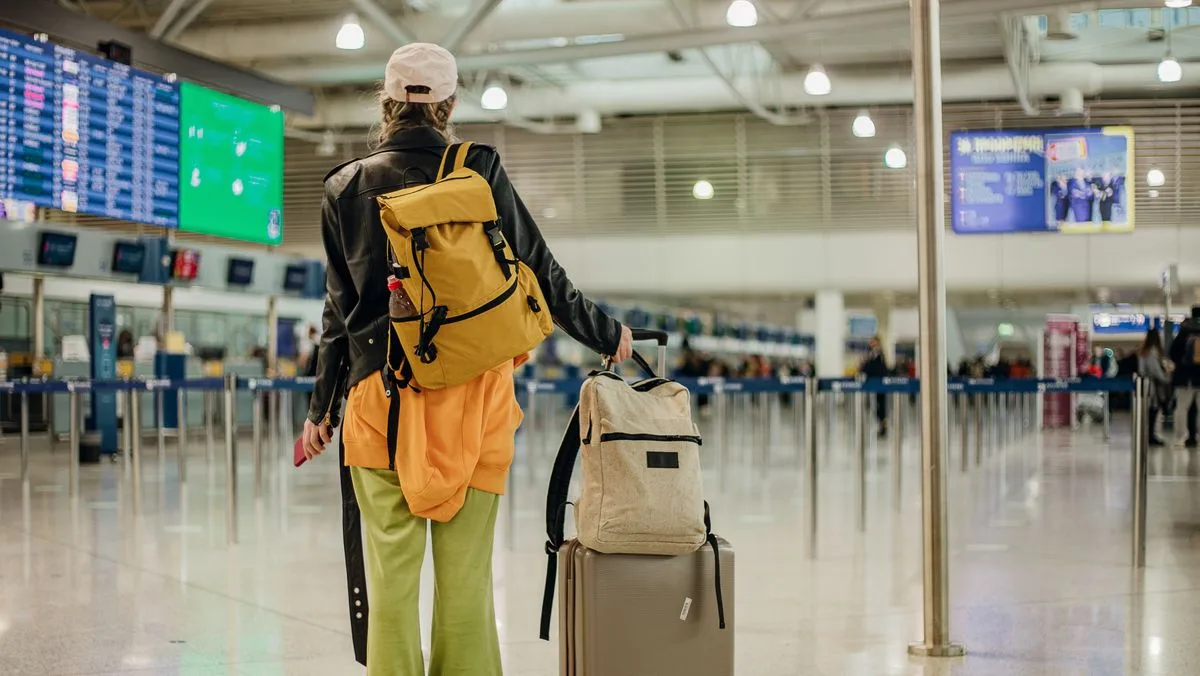
Major airlines including Ryanair, easyJet and TUI have reinforced restrictions on power banks and spare lithium batteries following a surge in onboard incidents. The UK Civil Aviation Authority (CAA) warned that portable chargers pose “serious risks” of overheating or catching fire, particularly when stored in checked luggage.
Last week, an easyJet flight bound for the UK was diverted to Rome after a passenger reported that a power bank was in the hold. The captain diverted “in line with safety regulations” and the aircraft landed safely. The flight was rescheduled for the following day.
Under current rules, power banks and spare lithium batteries must be carried in cabin luggage only, not in checked baggage. They must be individually protected to prevent short circuits, for example by taping terminals or placing each in a separate plastic bag. Passengers are allowed up to 15 personal electronic devices and up to 20 spare batteries, each not exceeding 100 watt-hours (Wh).
The CAA’s Jonathan Nicholson stressed that restrictions are not “somebody being pedantic” and urged passengers to follow the rules. A CAA survey of 1,000 UK passengers in November 2025 found that over a third were aware of the rules but unsure of the details, with over-55s typically better informed.
Lithium batteries can enter “thermal runaway,” a rapid temperature rise leading to fire and toxic fumes. Airlines such as Emirates, Vietnam Airlines and Vietjet Air have also banned certain devices. Passengers are advised to keep power banks under the seat in front and not use them during taxi, take-off or landing.