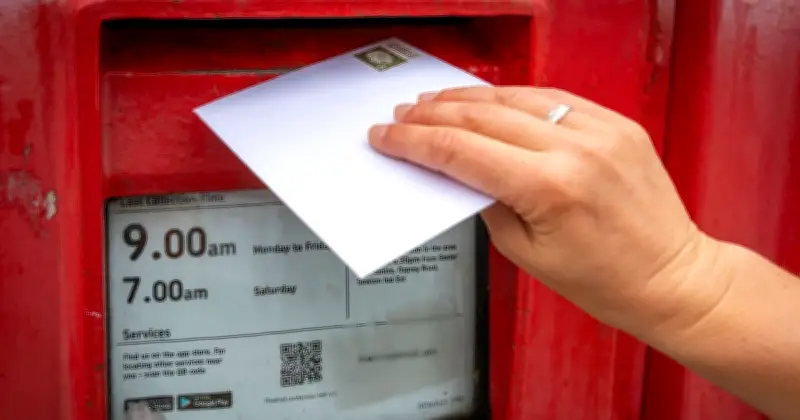
Royal Mail is reminding people to include a return address on all letters and parcels, a simple step that could help if post goes astray. The advice comes as part of official guidance from the postal service, which suggests writing the words 'Return Address' above the sender's own details.
Why a return address matters
Adding a return address gives Royal Mail a clear destination for any item that cannot be delivered to the intended recipient. The guidance recommends placing it on the back of the envelope or parcel, separate from the delivery address on the front. This is particularly useful for important items such as paperwork, cards with personal messages, or parcels intended as gifts.
If the recipient's address is incorrect or the item cannot be delivered for any reason, the return details provide a clear route for the item to be sent back to the sender. For a standard letter, Royal Mail advises writing the words 'Return Address' on the back, followed by the sender's name and full address, including the postcode.
Technical specifications and clarity
Royal Mail's technical guidance for certain mail formats specifies that a return address should be headed with the words 'Return Address' and that its position and layout matter. These specifications can vary depending on the type of mail being sent, so the safest approach for everyday post is to follow the general advice and avoid crowding the delivery address.
It is also important to ensure the recipient's address is written clearly, with each part on a separate line. Royal Mail notes that a postcode helps its sorting machines process mail efficiently, and an item without one may take longer to reach its destination.
Impact on undelivered mail
While adding a return address cannot guarantee that every undelivered item will be returned, it gives the item a better chance of reaching the sender if delivery fails. It is a quick check to make before posting, particularly when the contents would be difficult or inconvenient to replace.