UK Demand for Raw and 'Brewed' Milk Rises as Consumers Seek Less Processed Options
In the United Kingdom, the sale of raw milk is subject to stringent controls, permitting direct sales to consumers solely by registered producers. This regulatory framework is designed to mitigate health risks, yet it has not dampened a growing appetite for unprocessed dairy alternatives.
A Controversial Yet Popular Choice Gains Traction
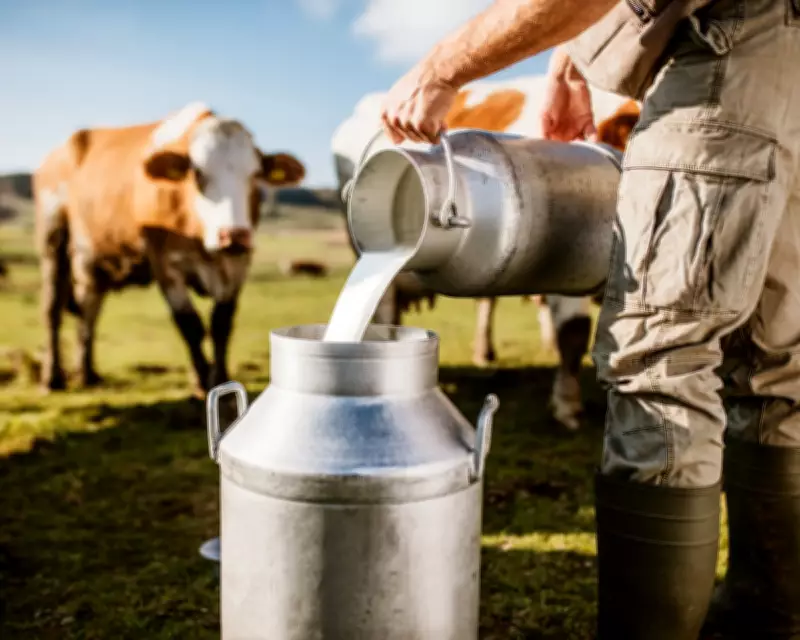
Raw milk, which is milk that has not undergone pasteurisation—the heat treatment process that eliminates harmful pathogens—has long been a topic of debate in the United States. Health authorities consistently warn that it can harbour dangerous bacteria, posing particular threats to pregnant women, young children, and individuals with compromised immune systems. Despite these warnings, advocates champion its natural qualities, and it has become intertwined with movements promoting natural living and scepticism towards government oversight.
Now, this trend is gaining momentum in the UK, especially among younger consumers. Farmers note that raw milk is increasingly viewed as a less processed, more authentic option, prompting the launch of new products to cater to this burgeoning demand.

Innovative Alternatives Emerge Amid Strict Regulations
With raw milk sales tightly regulated—it can only be sold directly by registered producers at farms, farmers' markets, or via delivery rounds, and is entirely prohibited in Scotland—companies are innovating to offer similar experiences. The Modern Milkman, a UK-based delivery service, has recently introduced what it terms "brewed milk," sourced from Mossgiel Organic Dairy in Ayrshire. Priced at £2.80 for a one-litre glass bottle, this product is positioned as a viable alternative to fully raw milk.
Bryce Cunningham, managing director of Mossgiel Organic Dairy, explained, "People are increasingly seeking flavour, transparency, and a connection to the farm. Since we cannot widely sell fully raw milk in the UK, brewed milk addresses consumer curiosity. It excels in coffee and creates exceptionally rich porridge."
Jenny Thomason, UK head of commercial at Modern Milkman, added, "We observe consistent customer inquiries about raw milk, reflecting a broader curiosity about food origins and processing levels. Given the strict regulations, we sought the closest alternative that still adheres to the highest safety standards."
Safety and Sustainability in Focus
Producers of raw milk must comply with rigorous hygiene protocols, undergo regular inspections and testing, and provide clear health warnings on their products. Mossgiel's brewed milk utilises a lower-temperature pasteurisation method, heating the milk to 68°C for five minutes. The company claims this process uses approximately 90% less energy than conventional methods, resulting in a product that retains more flavour while meeting safety requirements.
Farmers Report Significant Sales Increases
The demand is translating into tangible growth for farmers. Fen Farm Dairy in Suffolk has reported a 32% year-on-year increase in raw milk sales. Johnny Crickmore from Fen Farm noted, "It is our most popular online product by a considerable margin, and this trend holds true in our two local farm shops." He attributes this rise to the post-pandemic health and fitness surge in the UK.
"Younger demographics are shifting from pubs to gyms, and they want their dietary choices to align with their lifestyles," Crickmore stated. He also highlighted a broader movement away from ultra-processed foods, emphasising that raw milk is in its natural state, directly from the cow, and packed with nutrients.
This growing interest underscores a shift in consumer preferences towards authenticity and minimal processing, even as regulatory and health considerations remain paramount in the UK's dairy landscape.