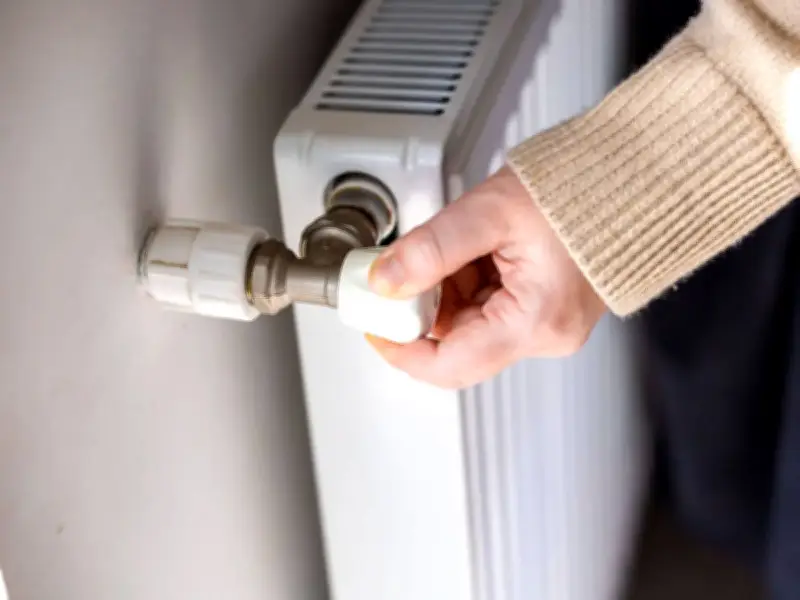
Before switching the heating back on this autumn, households are being urged to check the settings on every radiator, as consumer group Which? warns that leaving thermostatic valves too high could push up energy costs.
In a video posted on Instagram, Which? advises: "Don't have this dial [on the radiator] higher than three, unless it's the room where your thermostat is. Whacking your thermostatic radiator up to five opens the valve to the max, letting loads of hot water run into the radiator when your central heating is on."
How Valve Settings Affect Costs
The group adds: "If you have every room set to five, your heating bills could be higher than they need to be." For most households, rooms of a certain size and use do not require radiators operating at full volume.
When a radiator valve is reduced, it uses less hot water, meaning the boiler operates less frequently and uses less energy to warm the property. Simple changes can help people stay comfortable without overspending.
Recommended Settings by Room
In many properties, the lounge is where the thermostat is located. Setting these radiators to level three helps maintain a temperature of around 20°C. People may consider raising the setting to level four for up to 25°C to provide a warmer atmosphere or for a larger area.
For bedrooms, Which? experts recommend setting radiator dials between two and three to "keep the room temperature between 15 and 20°C".
Temperature Guide for Dial Numbers
Which? claims that adjusting the dial to a particular number will cause rooms to reach specific temperatures once the heating system activates. The video includes a chart showing what the settings roughly work out to in actual temperatures:
- Frost sign - Up to 7°C (stops pipes from freezing when heating not in use)
- 0 - Off
- 1 - Up to 10°C
- 2 - Up to 15°C
- 3 - Up to 20°C
- 4 - Up to 25°C
- 5 - Up to 30°C
In most cases, simply lowering the radiator setting could help reduce typical energy bills.