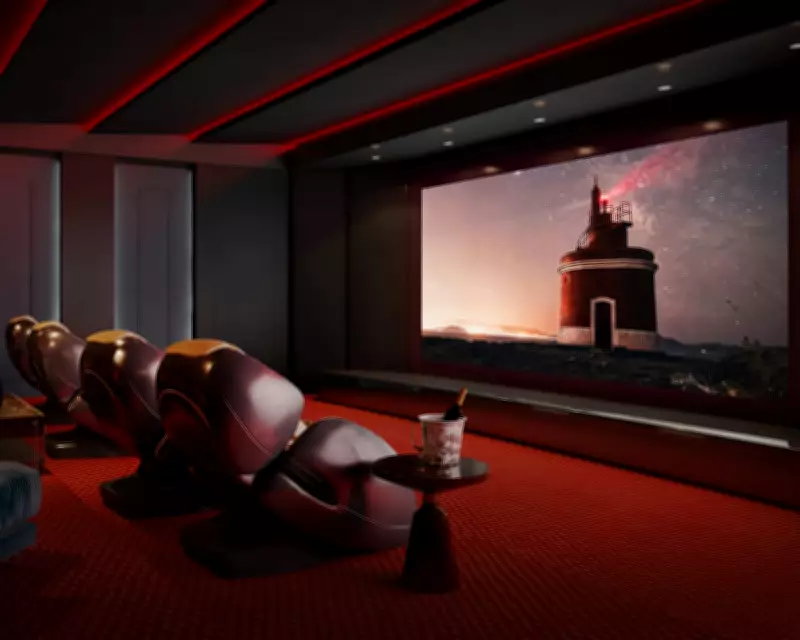
In the United States, a premium cinema with admittedly excellent sightlines is becoming a symbol of a broader economic shift. Photograph: Ninoon/Getty Images. Why is the US so expensive? Increasingly, everything from doctors' appointments to movies is available in a 'premium' version, creating a tiered system that extracts maximum revenue from consumers.
The Illusion of Equality in Consumerism
Andy Warhol once celebrated the democratic nature of American consumerism, noting that both the president and the public could enjoy the same Coca-Cola. Fifty years later, while Diet Coke remains uniform, the idea of mass consumerism as an equalizer has faded. Today, products and experiences are segmented into multiple tiers, ranging from basic to ultra-VIP, designed to squeeze every possible dollar from customers.
Airlines and Beyond: The Premium Model Expands
Airlines pioneered this approach, turning once-standard amenities like checked bags and snacks into paid add-ons. This model is now infiltrating other sectors, including cinemas. In the UK, chains like Odeon and Vue already charge for better seats, and the trend is spreading across the US. AMC CEO Adam Aron recently announced that VIP loyalty members will get priority access to seats with the best sightlines, a move critics call shortsighted given declining cinema attendance.

AMC previously attempted a similar strategy in 2023 with Sightline at AMC, which proposed tiered pricing akin to concert seats. Backlash, including from actor Elijah Wood who called it undemocratic, led to its abandonment. Yet, the company is reviving the plan, highlighting the industry's penchant for questionable sequels.
Paying to Skip the Queue
Beyond cinemas, queue-skipping options are proliferating. Ski resorts and Disney World offer 'lightning lane' passes for a fee, reducing wait times for those willing to pay. More seriously, 'concierge medicine' is on the rise in the US, with annual fees up to $50,000 on top of insurance for quicker doctor access. While beneficial for affluent individuals, this diverts resources in an already strained healthcare system, exacerbating societal inequalities.
The Broader Impact on Society
While premium cinema seats might seem trivial, they reflect a troubling trend: unchecked corporate greed is making modern life worse and more expensive for the masses. In past decades, social outings like cinema visits or dining out were affordable, but now high costs deter participation, pushing people toward cheaper, isolated activities at home.
This shift not only limits access to cultural experiences but also deepens economic divides. As companies prioritize shareholder value over consumer welfare, the very fabric of democratic spaces is eroded. The future may see even basic comforts monetized, leaving many to wonder where it will end.