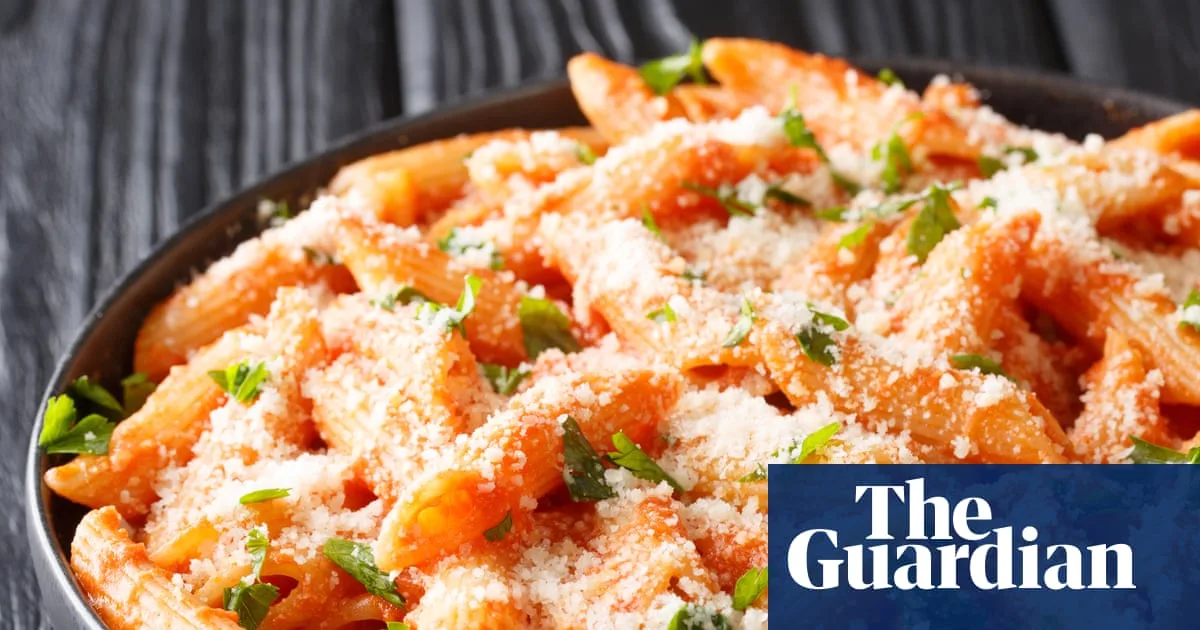
Penne alla vodka: The 80s disco pasta making a comeback

Despite being considered sacrilegious by most traditional Italians, penne alla vodka is rapidly becoming one of the most sought-after Italian dishes. Previously a staple of suburban Italo-American restaurants in the 1980s, the dish is now experiencing a widespread resurgence fueled by nostalgia and social media.

What is penne alla vodka?

Featuring a tomato and cream base with a splash of vodka, the silky smooth sauce sits somewhere between coral and carrot on the colour wheel. The Guardian's Rome-based food writer Rachel Roddy describes it as "luxurious and a bit racy." Dara Klein, a chef and founder of Tiella Trattoria in London, says the dish "hits lots of comforting notes," comparing it to a slightly more grown-up take on the Italian childhood favourite pasta al pomodoro, which is "eaten from day dot."

From New York to London

From New York to London, penne alla vodka is now a beloved fixture on menus spanning budget eateries to fine dining. At Marks & Spencer, a ready-meal version sells for £4.60, while Waitrose offers tubs of its own take on the sauce for £3.75. A Waitrose spokesperson reports that sales are up 65% year on year. Meanwhile, at the London outpost of Carbone, the cult New York cucina with a three-month waiting list for weekend reservations, the kitchen serves more than 120 orders of the rich, glossy pasta each night.

Wide Pickt banner — collaborative shopping lists app for Telegram, phone mockup with grocery list

The alchemy of the dish

"There's an alchemy to the dish," says co-founder and chef Mario Carbone. His recipe features chilli flakes and uses fresh rigatoni instead of penne because it cooks quicker. "It's creamy, spicy and chewy," Carbone says. "It is quite addictive to eat." Rather than diners posting photos of Carbone's smart mosaic floors or neon signage, a snap of the plated pasta has become an insider humblebrag on social media. "You don't even need to add the name or location," notes Carbone. "It's hugely flattering that something I've made has taken on that effect."

Origins and authenticity

While the dish has an Italian name, there are doubts about its Italian origins. Some say it originated in the 1960s at Fontana Di Trevi in New York. Others claim it was invented at Orsini in the 1970s, or stemmed from Dante Casari's restaurant in Bologna, or Alla Vecchia Bettola in Florence. Carbone, who grew up in Queens to parents of Italian descent, says it wasn't a dish served at home. "My grandparents were born in Italy and that is not a dish you are going to find there. They definitely would have kind of turned their noses up at that idea." He first experienced it as a child in a neighbourhood restaurant. When he suggested putting it on Carbone's debut menu in 2013, the team chuckled, but from opening night it was an instant hit.

The resurgence

By the 1980s, vodka pasta had become ubiquitous in the US, popular in nightclubs and earning the nickname "disco sauce." Ian MacAllen, author of Red Sauce: How Italian Food Became American, isn't surprised by its comeback. "The world is falling apart right now," he says. "The warm embrace of this very rich, comforting food is what people are looking for right now." For Gen Z, penne alla vodka has become their equivalent of the 1970s prawn-cocktail dinner party, with recipe and serving suggestions on TikTok amassing hundreds of thousands of views. Some refer to it as "the Gigi Hadid pasta," a nod to the model who posted her own take on the trend. Part of the appeal is that it can be made relatively cheaply and quickly, and for the largely sober-curious cohort, it offers a way to experiment with alcohol without actually consuming it.

Modern variations

Tiella Trattoria says the vodka helps "add body to the sauce" as an emulsifier between cream and tomatoes. Carbone says it doesn't add flavour, describing its use as "more ceremonial than anything." MacAllen notes that many today's versions have "been gentrified in some respects," pointing to New York's Don Angie, which does a lobster alla vodka take. He says this reflects a changing attitude towards authenticity. "In the 90s, it was all about finding original recipes. Nowadays, they are adapted and evolve over time." For some, that means pivoting away from pasta entirely. In worrying news for traditionalists, pizza alla vodka and chicken alla vodka sandwiches are now gaining momentum in the US.

Pickt after-article banner — collaborative shopping lists app with family illustration